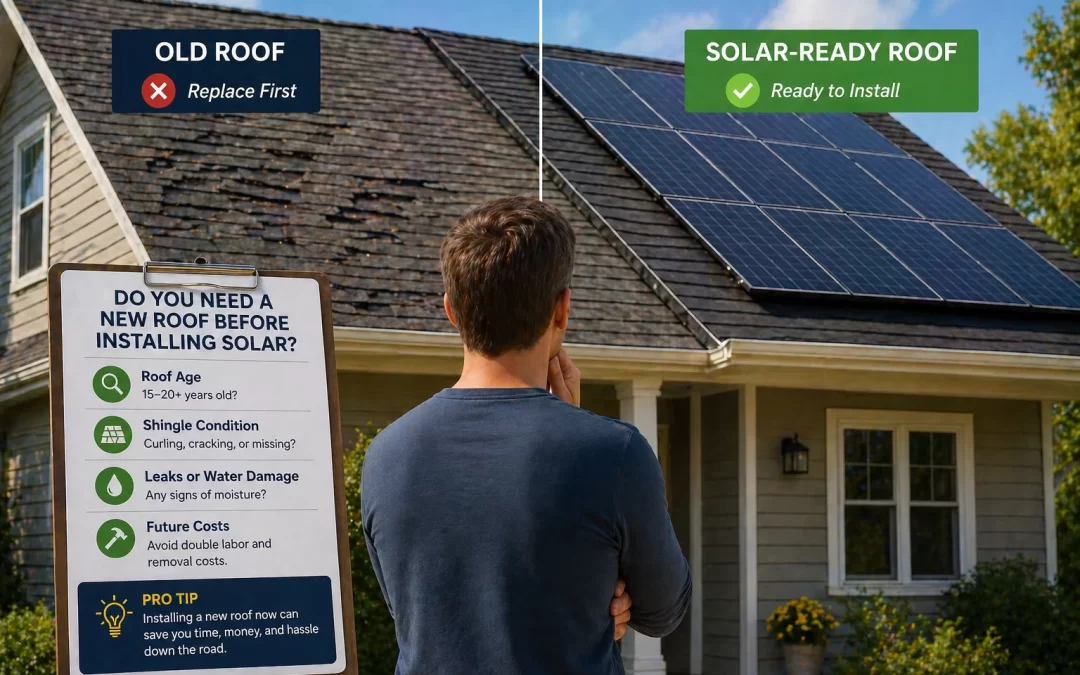
Solar Installation Guide: What to Expect from Quote to Switch-On
Getting solar installed is simpler than most homeowners expect. From your first quote to the day your panels go live, the whole process typically takes 1–3 months — and your installer handles most of it. Here’s exactly what happens at each stage.
The short answer
Direct answer
The solar installation process has six stages: get quotes, sign a contract, site assessment, permits, installation day, and utility interconnection. The actual installation takes 1–2 days. The wait for permits and utility approval takes most of the 1–3 month total timeline. You don’t need to manage any of it — a good installer handles everything.
Most homeowners are surprised by how hands-off the process is once they’ve chosen an installer. Your biggest job is picking the right company and asking the right questions upfront. Everything below helps you do that confidently.
The installation process
Here’s what happens between signing a contract and flipping the switch on your new system.
Get quotes and choose an installer
Get at least 3 quotes from certified installers. Compare price per watt, equipment, warranty terms, and company reputation — not just total price. Take your time here; this decision matters most.
1–3 weeks
Sign contract and submit financing
Once you choose an installer, you’ll sign a contract and, if financing, complete a loan application. The installer will also run a shading analysis and finalize the system design based on your roof layout and energy usage.
1–2 weeks
Site assessment and system design
An installer technician visits your home to assess your roof structure, electrical panel, and shading. They confirm the system design and check whether your electrical panel needs an upgrade to handle the new system.
1 visit, ~1 hour
Permits and HOA approval
Your installer files for building permits with your local authority and, if applicable, submits designs to your HOA for approval. This is the longest wait in the process — permit timelines vary significantly by county.
2–8 weeks (varies by location)
Installation day
A crew arrives and installs the mounting hardware, panels, inverter, and any battery storage. For a typical home this takes 1–2 days. You don’t need to be home the whole time, but someone should be available. Your power may be off briefly during the electrical work.
1–2 days
Inspection and utility interconnection
A local inspector signs off on the installation. Your installer then submits interconnection paperwork to your utility, who installs a net meter if needed and authorizes your system to operate. Once you receive Permission to Operate (PTO), you can turn the system on.
2–4 weeks after install
How to choose an installer
The installer you choose matters as much as the equipment. A well-designed system installed poorly will underperform. A good company with a solid track record will serve you well for 25 years.
Look for NABCEP certification. The North American Board of Certified Energy Practitioners (NABCEP) certification is the gold standard for solar installers. The company should employ NABCEP certified professionals on staff.
Check how long they’ve been in business. A company that’s been installing for 5+ years in your area has a track record you can verify — and they’ll likely be around to honor their workmanship warranty.
Read local reviews carefully. Check Google and the Better Business Bureau for local reputation. Look specifically at reviews mentioning post-install support and warranty service — that’s where you see the real quality difference.
Avoid door-to-door pressure. Legitimate solar installers don’t push you to sign same-day. If a salesperson creates urgency or discourages you from getting other quotes, walk away.
Installer vetting checklist
Before you sign with any installer
Check off each item as you confirm it for your chosen installer.
Ready to find installers who check every box?
Get my free quotes ›Free · No obligation · Takes 2 minutes
Red flags to avoid
Same-day pressure to sign. Any installer pushing you to decide immediately is a red flag. Good companies expect you to compare quotes and take your time.
No itemized equipment list. If a quote just shows a total price with no breakdown of panels, inverter, and labor, you can’t meaningfully compare it to anything else.
Unusually low price. Solar pricing is fairly consistent. A quote 30%+ below others usually means cheaper equipment, unlicensed labor, or a company that won’t be around to honor the warranty.
Discouraging you from getting other quotes. Reputable installers welcome comparison. Anyone who tells you not to shop around has something to hide.
No local physical address or recent reviews. Solar scams exist. Verify the company has a real local presence and recent verified reviews before signing anything.
What to ask your installer about equipment
Why this panel? Ask for the model name and efficiency rating. Look it up before you sign anything.
Why this inverter? Ask whether string, micro, or optimizer makes sense for your specific roof layout and shading situation.
What are the warranty terms? Get the product warranty and performance warranty in writing for both the panels and inverter.
Do I need a battery? Ask whether your utility has time-of-use rates or poor net metering — those are the two situations where a battery pays off fastest.
Is the equipment on the CEC approved list? The California Energy Commission list is the de facto standard for quality solar equipment in the US. Any reputable product should be on it.
Common questions
How long does solar installation take?
The actual installation takes 1–2 days. The full process from signing a contract to turning your system on typically takes 1–3 months, with most of that time spent waiting for permits and utility interconnection approval.
Do I need to be home during installation?
Someone should be available, but you don’t need to supervise the crew all day. You’ll need to be present at the start so the crew can access your attic or electrical panel, and at the end for a walkthrough of the completed system.
Will my roof be damaged during installation?
Not if done correctly. Reputable installers use flashing and sealant around every roof penetration to prevent leaks. Ask your installer what their leak policy is — most good companies offer a workmanship warranty that covers any roof damage caused by the installation.
What is Permission to Operate (PTO)?
PTO is the official authorization from your utility company to turn your solar system on and connect it to the grid. It comes after the installation passes inspection. You cannot legally operate your system without it — your installer handles the application.
What happens if I need to replace my roof after getting solar?
You’ll need to have the panels removed, the roof replaced, and the panels reinstalled. This typically costs $1,500–$3,000 for panel removal and reinstallation. Worth asking about upfront, especially if your roof is more than 10 years old.
Ready to find out if solar makes sense for your home?
Answer a few quick questions about your home and energy use. We'll connect you with certified local installers who can give you an honest, no-obligation quote.
See what solar costs for my home ›
Takes 2 minutes · Free · No spam

Solar Panel Installation Cost: Average Prices, Factors & What Homeowners Should Expect in 2026
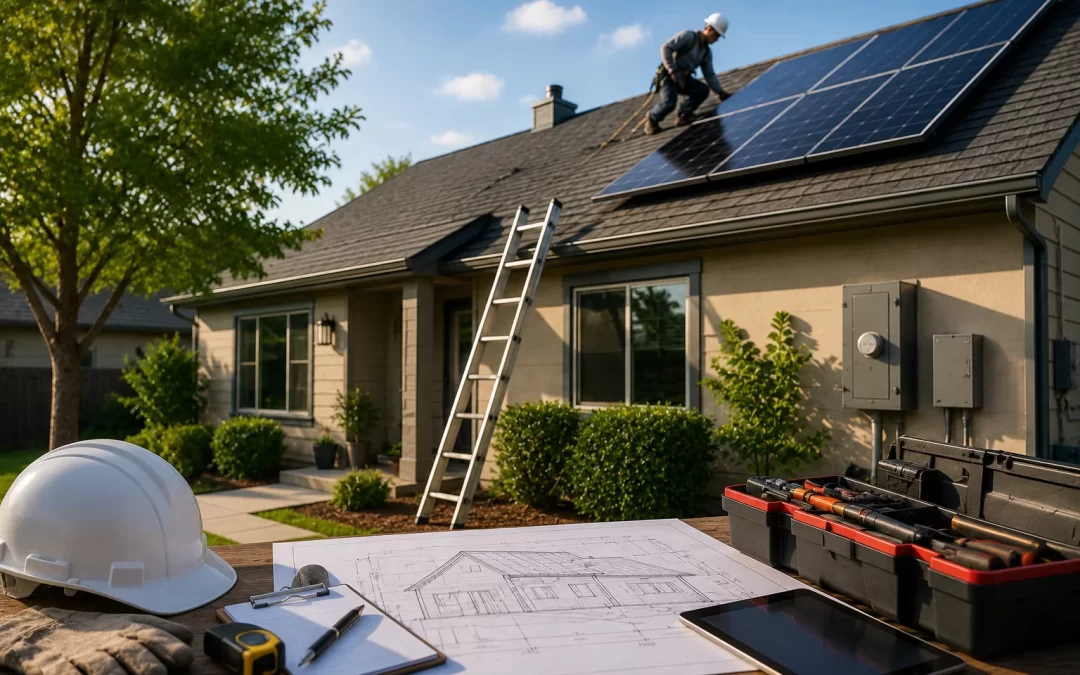
How to Prepare Your Home for Solar Installation
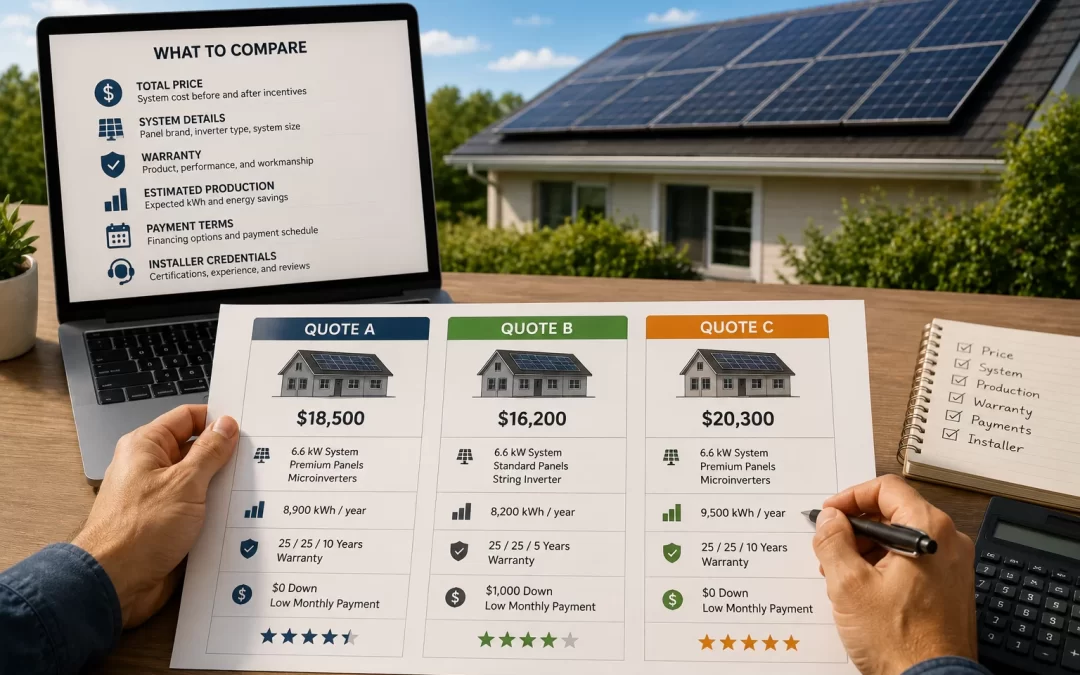
How to Read and Compare Solar Quotes (Side-by-Side Guide)
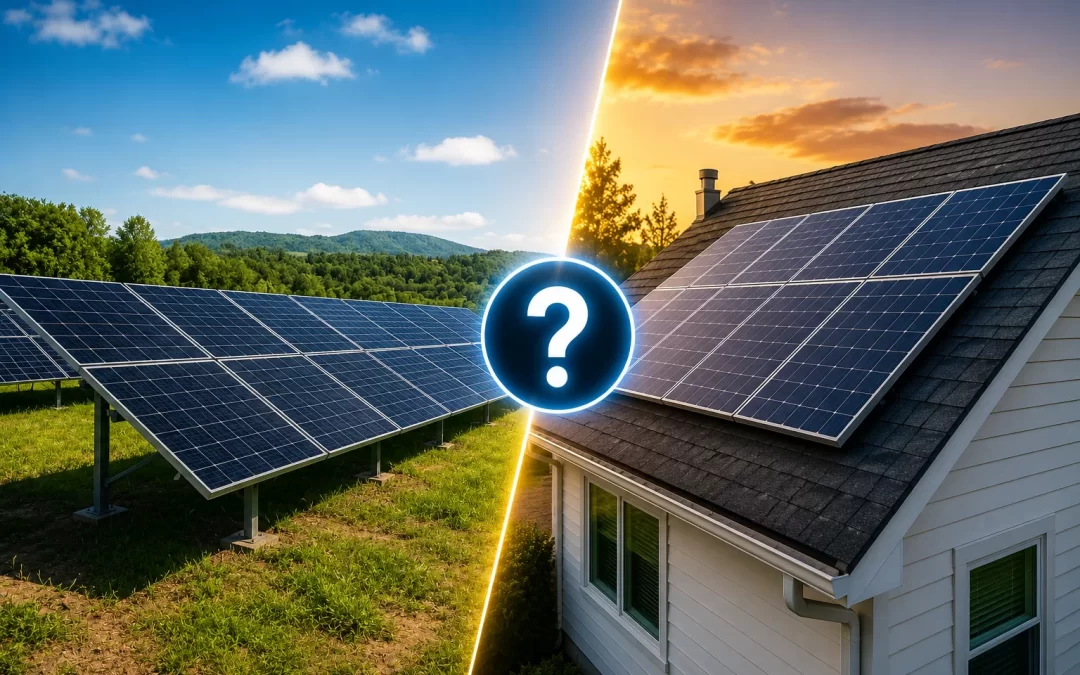
Ground-Mounted vs. Rooftop Solar: Which Is Right for You?
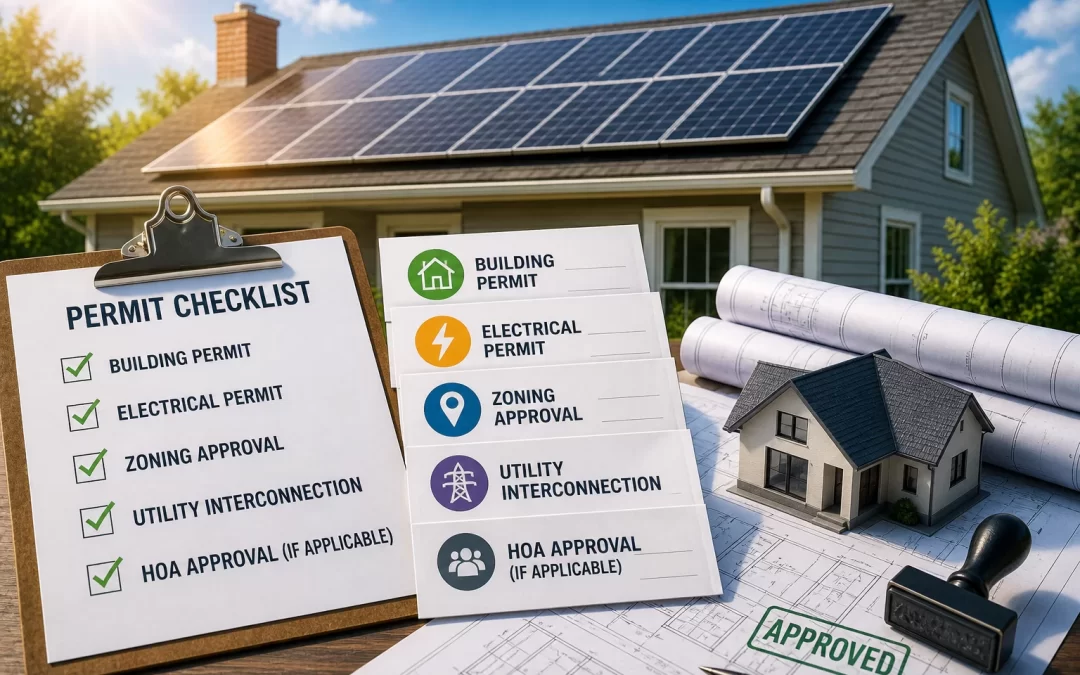
What Permits Do You Need to Install Solar Panels?
What to Expect on Solar Installation Day
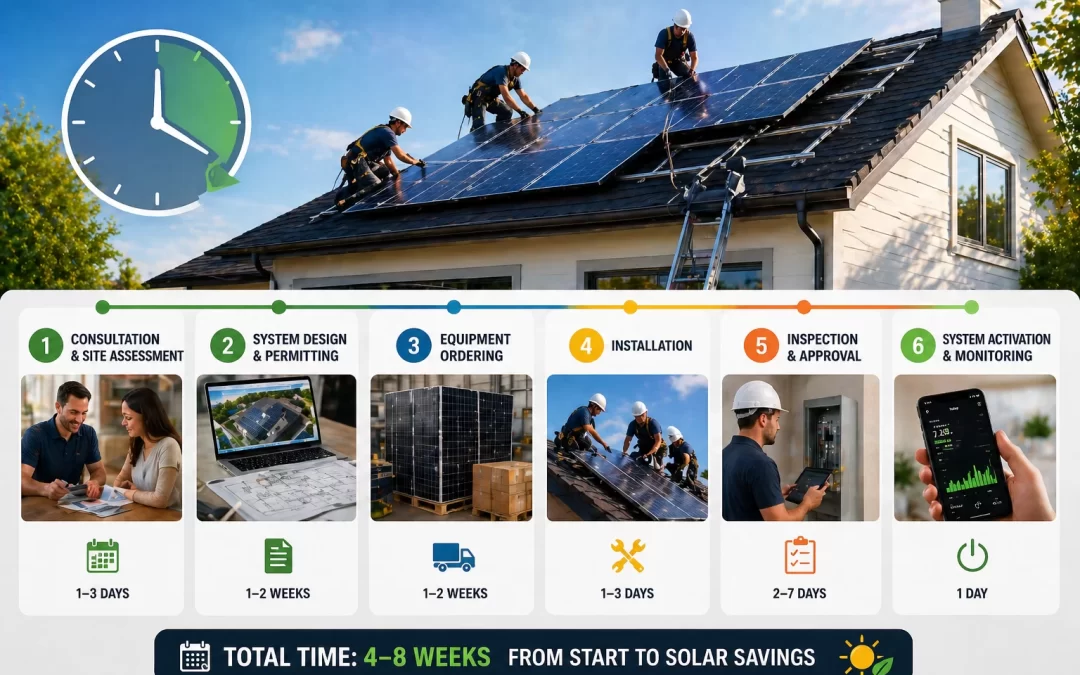
How Long Does Solar Installation Take? (Full Timeline)
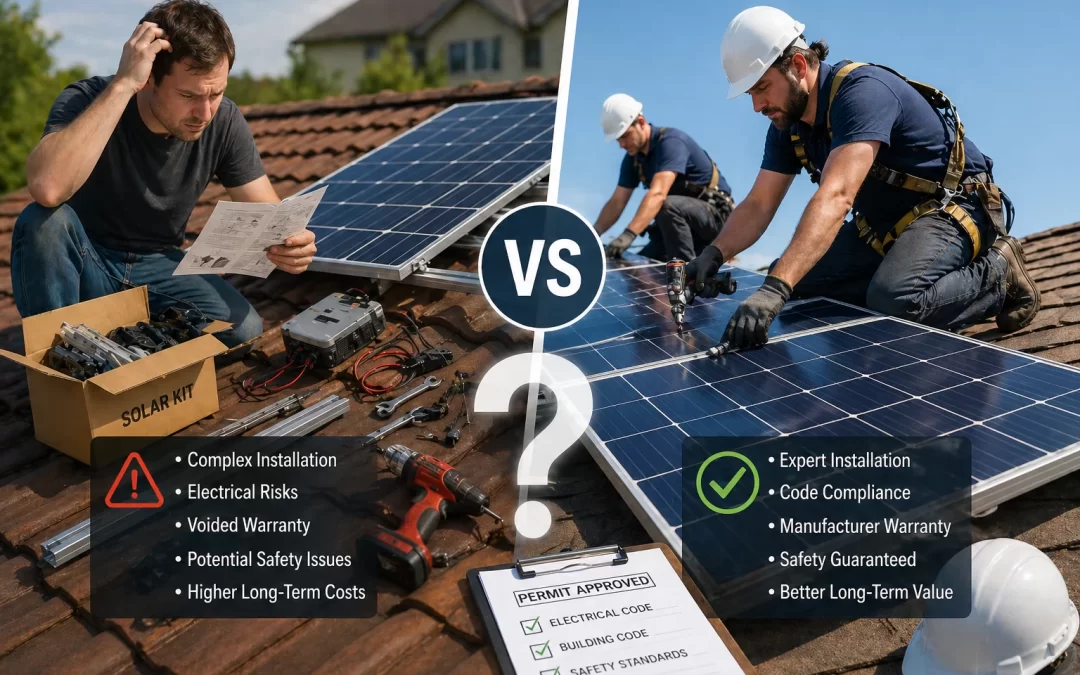
DIY Solar vs. Professional Installation: Is It Worth the Risk?
What Is Permission to Operate (PTO) and Why Does It Take So Long?