
Is Solar Worth It? An Honest Answer for Homeowners
For most US homeowners, solar is a genuinely good investment, but not for everyone. This guide walks through the real numbers, the factors that tip the math one way or the other, and how to know where you stand before talking to a single installer.
The short answer
Solar is worth it for most homeowners who own their home, have a south- or west-facing roof with good sun exposure, and pay more than $100/month in electricity. The average US homeowner saves $1,300–$1,500 per year and breaks even in 7–9 years, on panels that last 25–30 years.
That said, solar isn’t a one-size-fits-all answer. Your electricity rate, roof condition, local incentives, and how long you plan to stay in your home all affect whether the math works in your favor. The sections below help you figure out which side of the line you’re on.
Pros and cons of going solar
Reasons solar makes sense
- Reduces or eliminates your monthly electricity bill
- Protects against rising utility rates
- 30% federal tax credit available through 2032
- Adds approximately 4% to your home’s resale value
- Panels last 25–30 years with little maintenance
- Clean energy that reduces your carbon footprint
Reasons to think twice
- High upfront cost ($10,000–$20,000 before incentives)
- Less worthwhile if you plan to move within 5 years
- Shaded or north-facing roofs generate much less power
- Older roofs may need replacement before installation
- Some states have weak net metering policies
- Very low electricity rates mean a slower payback period
Key numbers to know
$1,400
Average annual savings for US solar homeowners
7–9 yrs
Typical payback period after the federal tax credit
$30k+
Lifetime savings over 25 years for an average home
What makes solar worth it (or not)
These six factors have the biggest impact on whether solar makes financial sense for your specific home.
Your electricity rate
The higher your rate, the faster solar pays back. If you’re paying $0.15/kWh or more, the numbers almost always work in your favor.
Sweet spot
Above $0.15/kWh — CA, NY, NE, and HI are ideal. Below $0.10/kWh (parts of TX, LA) the payback stretches to 12+ years.
Sun exposure and roof angle
South-facing roofs at a 15–40° tilt generate the most energy. Shade from trees or chimneys can cut output by 20–50%.
Quick check
Use Google’s Project Sunroof to estimate your roof’s solar potential before talking to a single installer.
Available incentives
The 30% federal ITC alone saves $6,000–$9,000 on a typical system. State rebates and SRECs can add thousands more on top.
Don’t skip this
Incentives vary dramatically by state. Our Incentives guide breaks down what’s available where you live.
How long you’ll stay in your home
If you plan to sell within 4–5 years, you may not reach payback — though solar does increase resale value by roughly 4%.
Rule of thumb
Plan to stay 7+ years and you’ll almost certainly come out ahead. Under 5 years, run the numbers carefully first.
Your roof’s condition
Panels last 25–30 years. If your roof is more than 15 years old, replacing it before installing solar avoids costly panel removal later.
Timing tip
Some installers coordinate with roofing contractors. Ask about bundling both projects to reduce total cost.
Net metering policy
Net metering lets you sell excess energy back to the grid. States with strong net metering make solar significantly more valuable.
Watch out
Florida, Nevada, and Hawaii have reduced net metering credits in recent years. Check your state’s current policy before committing.
When solar doesn’t make sense
Being honest about this matters to us. Solar is a poor fit if you rent your home, have significant roof shading you can’t address, live somewhere with very low electricity rates and no state incentives, or plan to move in the next few years.
In these cases, a community solar subscription — where you buy into a shared solar farm without installing any panels — can be a good alternative. You still get the savings and the environmental benefit without needing a suitable roof.
Common questions
Is solar worth it in 2026?
Yes, for most homeowners. Panel prices have dropped over 80% since 2010, the 30% federal tax credit runs through 2032, and electricity rates continue to rise. The financial case for solar is stronger now than it has ever been.
How much money do solar panels actually save?
The average US homeowner saves $1,300–$1,500 per year, or about $110–$125 per month. Over 25 years that adds up to $30,000–$37,000 — well above the typical system cost of $10,000–$15,000 after incentives.
What is the payback period for solar panels?
Most homeowners break even in 7–9 years. Sunnier states like Arizona, California, and Florida often see payback in 5–7 years. States with lower electricity rates may take 10–12 years.
Do solar panels increase home value?
Yes. A Zillow study found homes with solar sell for an average of 4.1% more than comparable homes without panels. On a $400,000 home that’s roughly $16,000 in added value.
What happens to solar panels on cloudy days?
Solar panels still generate electricity on cloudy days — typically 10–25% of their peak output. Germany, one of the cloudiest countries in the world, is also one of the largest solar markets, which shows that overcast weather doesn’t make solar unworkable.
Is solar worth it if I have low electricity bills?
Probably not as a pure financial investment. If you’re paying less than $75/month in electricity, the payback period stretches beyond 15 years and the math gets harder to justify. That said, if reducing your environmental impact matters to you, it may still be worth considering.
Ready to find out if solar makes sense for your home?
Answer a few quick questions about your home and energy use. We'll connect you with certified local installers who can give you an honest, no-obligation quote.
See what solar costs for my home ›
Takes 2 minutes · Free · No spam
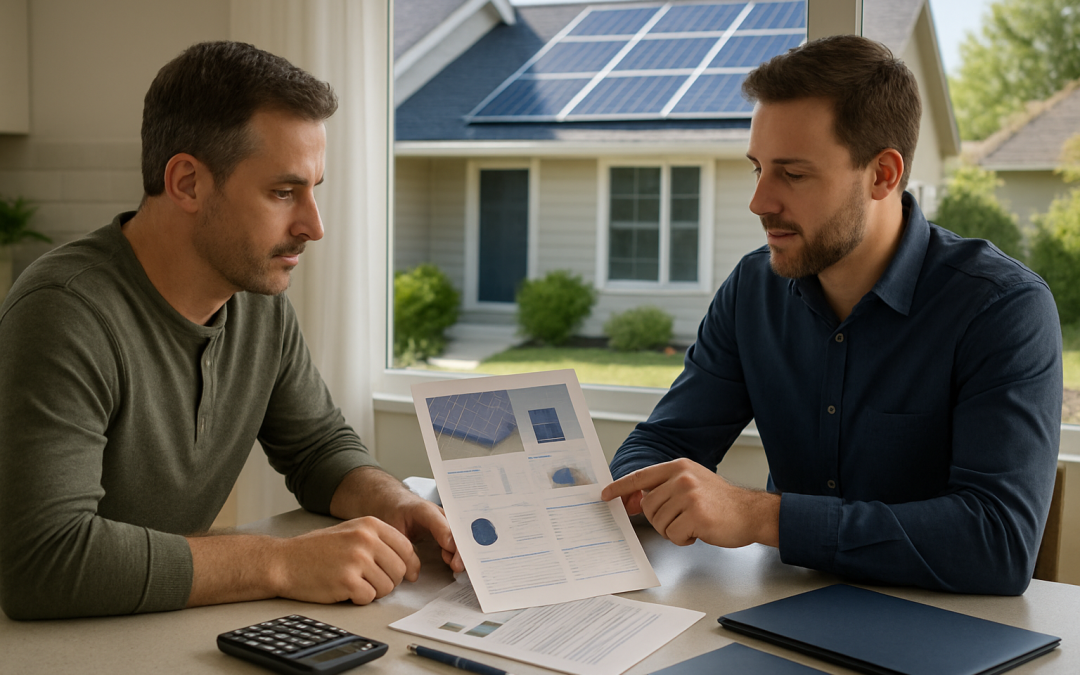
How to Read a Solar Proposal: Red Flags, Key Numbers & What to Negotiate
How to Read a Solar Proposal: Red Flags, Key Numbers & What to Negotiate A good solar proposal should clearly show what you’ll pay, how much power you’ll produce, and roughly how long it will take to break even. When you read a solar proposal, focus on total...
Are Solar Panels Worth It in 2026? Cost, Savings, Benefits, and What Homeowners Should Know
Are Solar Panels Worth It in 2026? Cost, Savings, Benefits, and What Homeowners Should Know For most U.S. homeowners in 2026, solar panels are worth it financially if you have a decent electric bill (around $100/month or more), a sunny roof, and you can use the 30%...
Solar Panel ROI: How Many Years Does It Take to Break Even on a Home System?
Solar Panel ROI: How Many Years Does It Take to Break Even on a Home System? Most U.S. homeowners who buy solar panels outright see their system pay for itself in about 7–9 years, based on national averages. That “break-even” point is when your total electric bill...
Solar Panels for Home Electricity: Costs, Savings, Installation Process, and What Homeowners Should Expect
Solar panels for home electricity can significantly cut your power bills, with typical U.S. homeowners saving around $1,300–$1,500 per year and paying off their system in about 7–9 years. A typical home system costs roughly $28,000–$32,000 before incentives, or about...
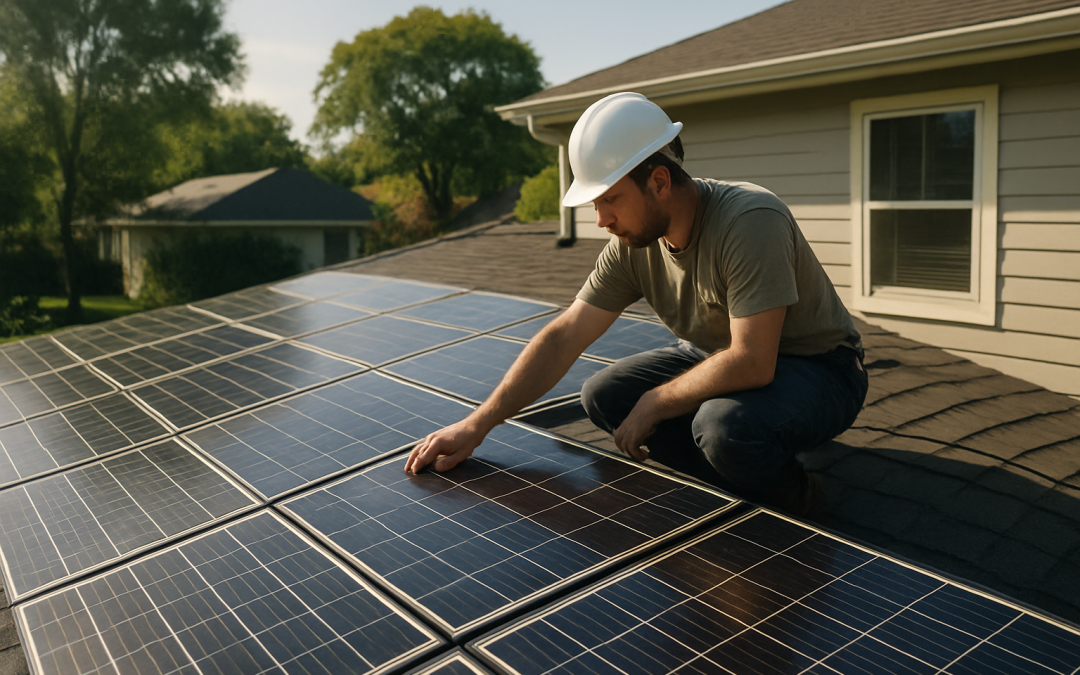
Solar Panel Efficiency Explained: How It’s Measured, What Actually Affects Real-World Output, and How to Choose the Right System
Solar panel efficiency is a measure of how much of the sunlight that hits a panel is turned into usable electricity, and most modern home panels fall in the 19–22% efficiency range. In real life, your actual energy output depends just as much on roof direction,...
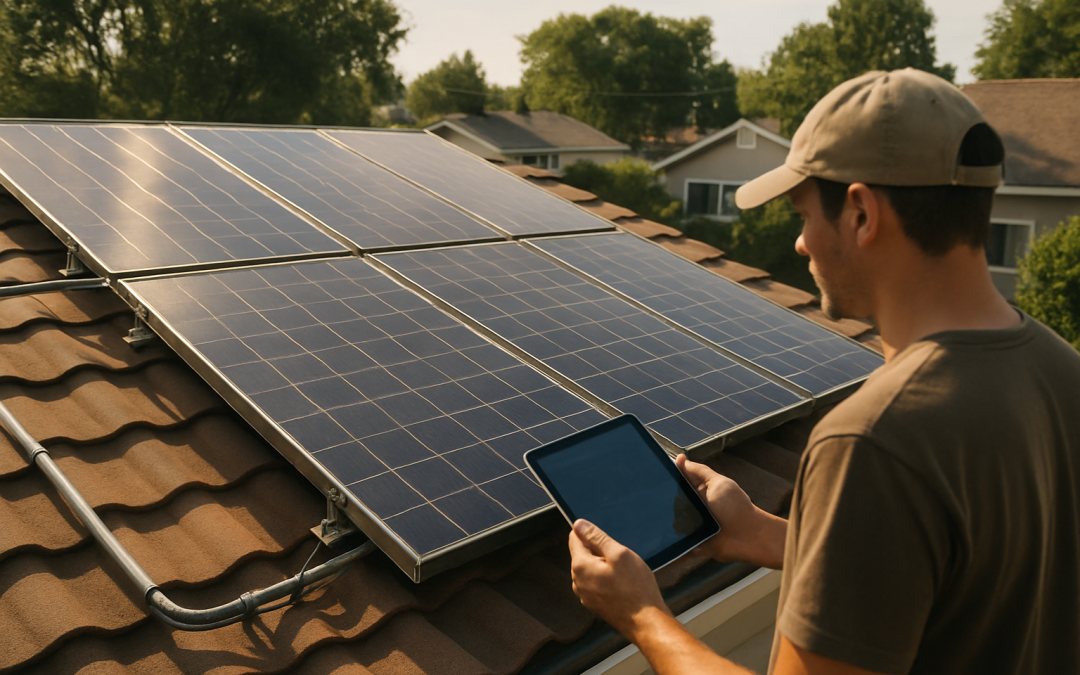
Solar Cell Efficiency Explained: How Solar Panels Convert Sunlight Into Usable Energy and What Actually Limits Performance
Solar cell efficiency is the percentage of sunlight that a solar panel can turn into usable electricity, and most modern home panels convert about 19–23% of the sun’s energy under standard test conditions. In real-world use on a roof, you’ll usually see effective...
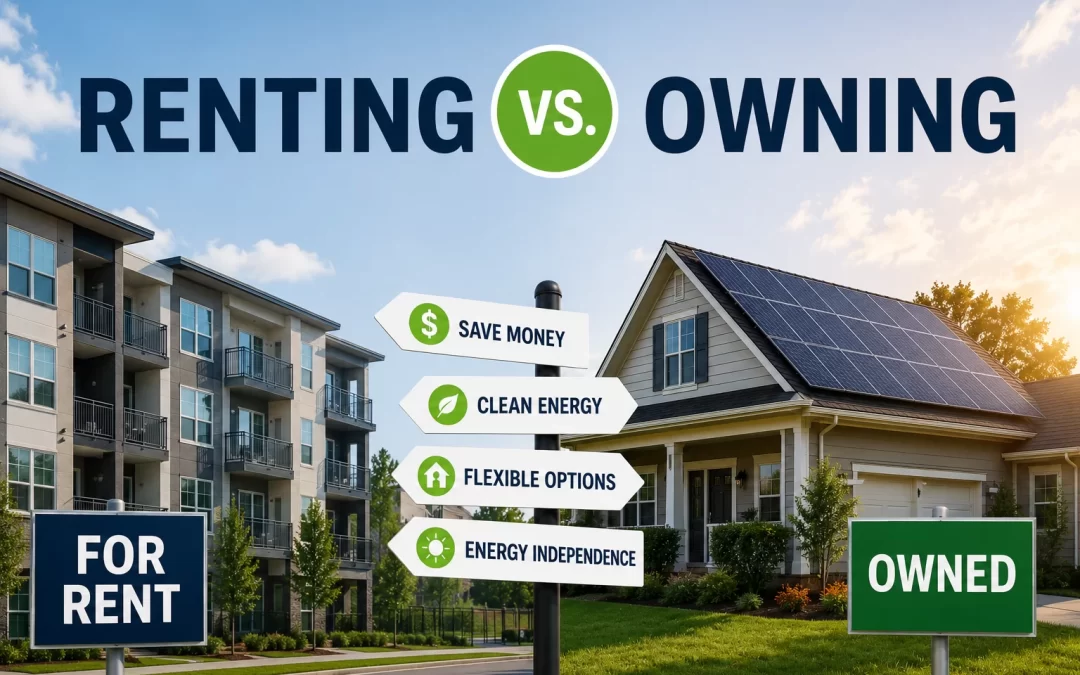
Renting vs. Owning: Does Solar Still Make Sense If You Don’t Own Your Home?
If you don’t own your home, traditional rooftop solar usually doesn’t make sense because you can’t install long‑term equipment on a property you don’t control. However, you may still be able to benefit from solar through options like community solar, green power...
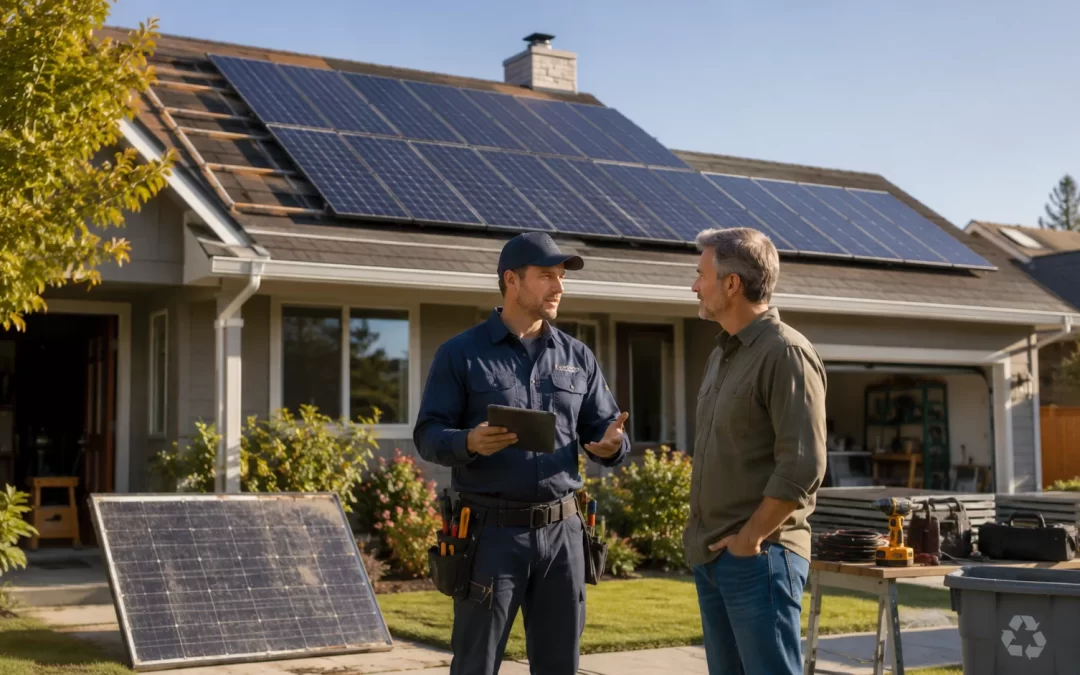
How Long Do Solar Panels Actually Last? (And What Happens After)
Most modern residential solar panels are designed to last 30–35 years, with performance warranties that typically guarantee at least 80–85% of their original output at year 25. They don’t suddenly “die” at that point — they just produce less electricity each year....
How Solar Affects Your Homeowners Insurance
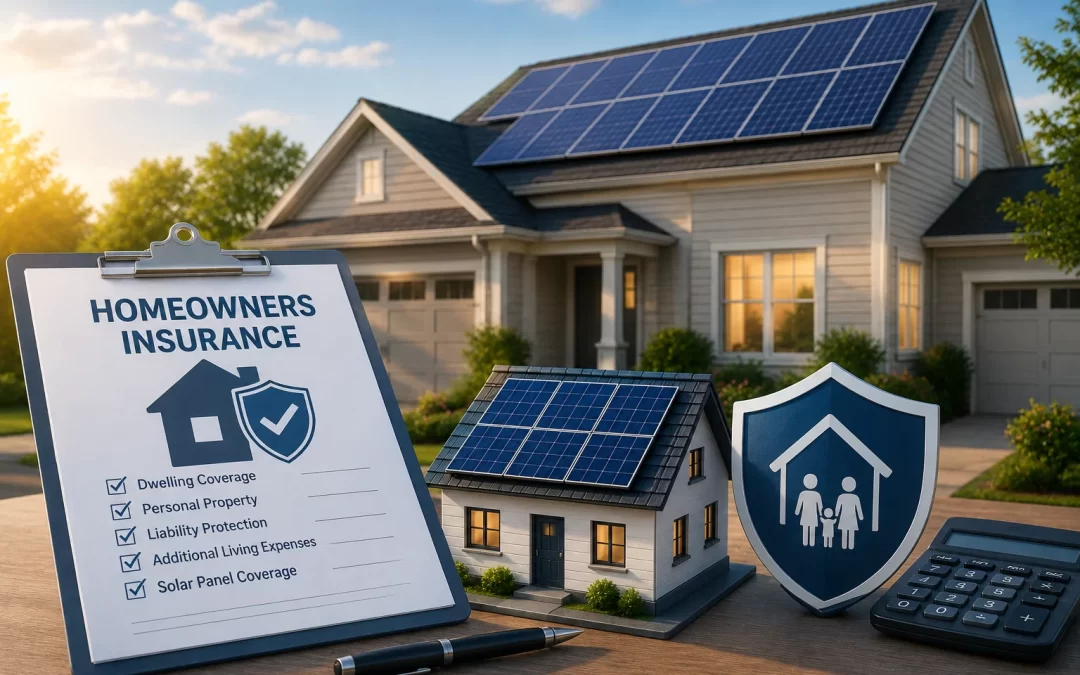
How Solar Affects Your Homeowners Insurance Adding solar panels usually increases your homeowners insurance coverage needs, but not always your total premium by a lot. Most insurers treat roof-mounted solar as part of the dwelling, so you may need to raise your...
What Credit Score Do You Need to Finance Solar?
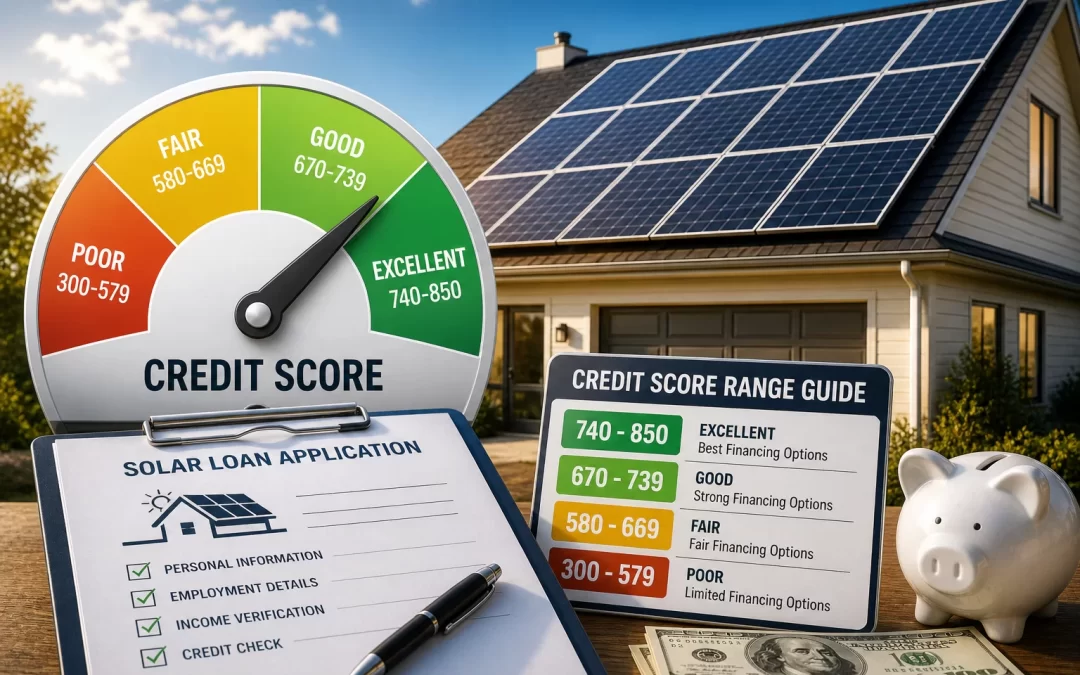
Most solar lenders look for a credit score of around 650–700 or higher to approve traditional solar loans with good terms. Some programs will approve scores in the low 600s, but you may see higher interest rates or need a larger down payment. If your score is below...