
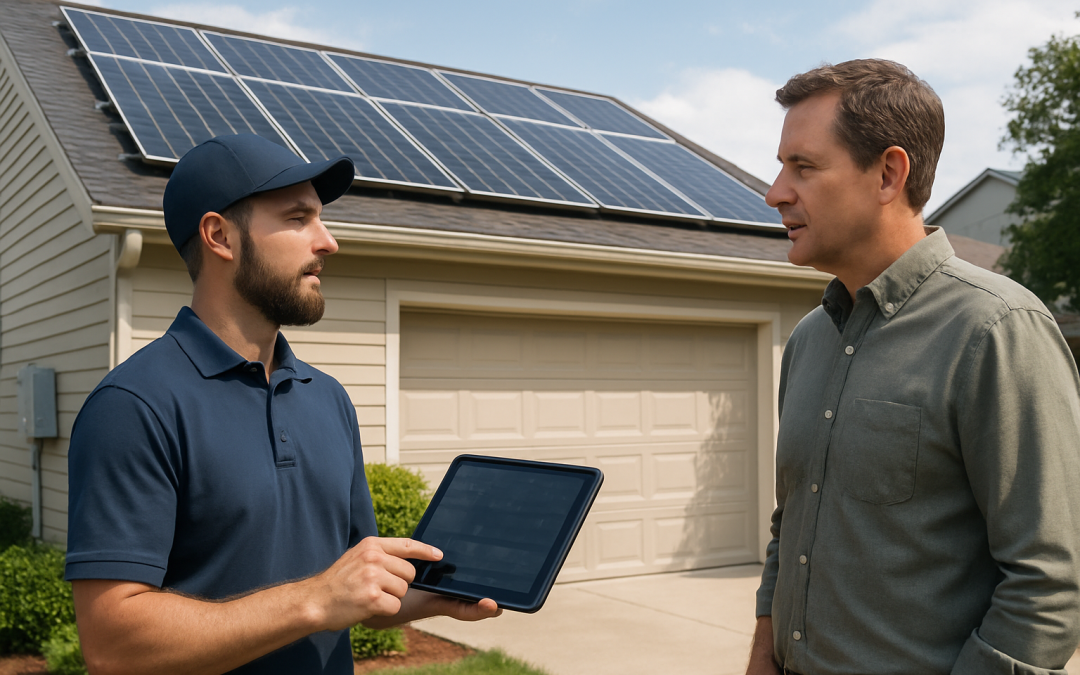
Should You Consider Professional Solar Maintenance Services?
Most homeowners with modern solar panels do not need frequent professional solar maintenance, but a periodic checkup every 2–3 years can help keep your system safe, efficient, and under warranty. You should strongly consider professional solar maintenance services if your production has dropped, you see error messages, or your system is more than 5–7 years old. While basic visual checks and monitoring can be done yourself, anything involving wiring, roof work, or electrical testing is usually safer and more effective when handled by a qualified solar technician. The main caveat is cost: if your system is small or still under a strong workmanship warranty, you may not need paid maintenance every year.
Professional solar maintenance is about keeping your system producing close to what it should, catching problems early, and protecting your investment. This guide is for U.S. homeowners who already have solar or are thinking ahead about long-term care before installing a system. We’ll walk through what professional maintenance includes, when it makes sense, what it costs, and how to decide whether you should hire a pro or stick with basic DIY checks.
Table of Contents
- What Is Professional Solar Maintenance?
- Do Solar Panels Really Need Professional Maintenance?
- What Does Professional Solar Maintenance Include?
- How Much Do Professional Solar Maintenance Services Cost?
- When Professional Solar Maintenance Works in Your Favor
- When Professional Maintenance May Not Be Worth the Cost
- Key Numbers: System Cost, Savings, and How Maintenance Fits In
- DIY Solar Maintenance vs. Hiring a Professional
- State and Location Factors That Change Your Maintenance Needs
- How to Choose a Professional Solar Maintenance Provider
- Decision Guide: Do YOU Need Professional Solar Maintenance Now?
- Frequently Asked Questions
- Summary: Key Takeaways
- What to Do Next
What Is Professional Solar Maintenance?
Professional solar maintenance is a scheduled inspection and tune-up of your solar power system by a trained technician. The goal is to confirm everything is safe, working correctly, and producing close to its expected output.
For a typical home system, this usually means:
- Checking panels, wiring, and roof attachments for damage or wear
- Reviewing inverter performance and error logs
- Testing electrical connections and safety shutoffs
- Verifying system output against design expectations
- Documenting any issues for warranty or repair follow-up
Think of it like a checkup for your car: you might not need it every year, but skipping it entirely can let small problems turn into expensive ones.
Do Solar Panels Really Need Professional Maintenance?
Solar panels themselves are low-maintenance. They have no moving parts and are designed to last 25–30 years or more. In many climates, rain does most of the cleaning for you.
However, a solar system is more than just panels. It also includes:
- Inverters (often the first component to need attention)
- Wiring and connectors
- Roof mounting hardware and flashing
- Monitoring equipment and sometimes batteries
These parts can loosen, corrode, or fail over time. Professional maintenance focuses on the whole system, not just the panels.
Typical maintenance needs over a system’s life
- First 3–5 years: Usually minimal issues; occasional monitoring checks and warranty-related visits.
- 5–10 years: Higher chance of inverter errors, loose wiring, or production drops that benefit from a professional inspection.
- 10+ years: Proactive maintenance becomes more valuable as components age and warranties approach expiration.
When basic DIY checks are enough
You may not need professional maintenance every year if:
- Your system is under 5 years old and still under a strong workmanship warranty
- Your monitoring app shows stable production with no error codes
- You visually inspect your roof and panels from the ground and see no damage or shading changes
- Your electric bills and solar output match what your installer originally estimated
When professional help is strongly recommended
Consider scheduling professional solar maintenance if:
- Your solar production has dropped noticeably for no clear weather-related reason
- You see inverter error messages or frequent system shutdowns
- Your system is 5–7+ years old and has never had a full inspection
- You’ve had roof work, storms, or animal activity (squirrels, birds) near your panels
- You’re planning to sell your home and want documentation that the system is in good shape
If your system is underperforming, resources like why your solar system might be producing less than expected and our step-by-step troubleshooting guide for low solar output can help you decide whether it’s time to call a pro.
What Does Professional Solar Maintenance Include?
Different companies package services differently, but a solid professional solar maintenance visit usually includes three main areas: safety, performance, and physical condition.
1. Safety and electrical checks
A technician will typically:
- Inspect AC and DC disconnects and breakers
- Check wiring for damage, loose connections, or overheating
- Verify grounding and bonding are intact
- Confirm rapid shutdown and other safety systems work properly
These checks help prevent electrical faults, fire risks, or shock hazards—things homeowners should not test themselves.
2. Performance and monitoring review
Most modern systems have online monitoring. A professional will:
- Compare current output to original design expectations and historical data
- Review inverter logs for hidden or intermittent errors
- Check for underperforming strings or individual panels (if panel-level monitoring exists)
- Identify shading changes from trees or new structures
If your system is producing less than expected, this is where the cause is often found.
3. Physical inspection of panels and roof hardware
On the roof, a technician may:
- Inspect panels for cracks, hot spots, delamination, or broken glass
- Check mounting rails, clamps, and bolts for tightness and corrosion
- Inspect roof penetrations and flashing for leaks or wear
- Look for animal nests, chewed wires, or debris buildup
They may also recommend or perform cleaning if dirt, pollen, or bird droppings are clearly reducing output.
4. Documentation and recommendations
After the visit, you should receive:
- A summary of what was inspected and tested
- Photos of any issues found
- Recommendations for repairs, warranty claims, or tree trimming
- An estimate for any additional work, if needed
If a component is failing, a good technician will help you understand whether it’s covered under your equipment or workmanship warranty. Our guide to solar panel warranty claims explains what’s typically covered and how to document issues properly.
How Much Do Professional Solar Maintenance Services Cost?
Professional solar maintenance pricing varies by region, system size, and what’s included, but there are some typical ranges.
Typical maintenance visit costs
- One-time inspection and tune-up: $150–$350 for a typical residential system
- Inspection + detailed performance report: $250–$450
- Inspection + cleaning package: $250–$600 (depending on roof complexity and access)
- Annual maintenance contracts: $150–$300 per year, often including one visit and priority service
These are ballpark ranges; dense urban areas and high-cost-of-living regions may be higher, while rural areas may be lower but with fewer providers.
What affects the cost?
- System size: Larger systems (more panels, multiple inverters) take longer to inspect.
- Roof type and pitch: Steep or complex roofs increase labor time and safety requirements.
- Access: Multi-story homes or difficult ladder access can add cost.
- Service scope: Basic visual inspections cost less than full electrical testing and detailed reporting.
- Local labor rates: Prices in California or the Northeast are often higher than in the Midwest or South.
How maintenance compares to system value
A typical residential solar system costs around $28,000–$32,000 before incentives, or about $19,600–$22,400 after the 30% federal tax credit, with an installed cost of roughly $2.50–$3.50 per watt. Spending $200–$300 every few years to protect a system worth tens of thousands of dollars is reasonable for many homeowners, especially if it helps avoid a major failure or supports a warranty claim.
However, if your system is small, still under full warranty, and performing well, you may decide that paid annual maintenance is not necessary.
When Professional Solar Maintenance Works in Your Favor
Professional solar maintenance is most valuable when it prevents bigger problems or recovers lost production.
1. Protecting a large or high-value system
If you have:
- A larger system (20–25+ panels)
- A system with batteries or multiple inverters
- A complex roof layout
Then the potential cost of a failure or long-term underperformance is higher. In these cases, periodic professional maintenance is usually a smart choice.
2. Maximizing long-term savings
Nationally, homeowners save about $1,300–$1,500 per year on electricity with a typical solar system, with a payback period of around 7–9 years. If a hidden issue cuts your production by 10–20% for several years, you could lose thousands of dollars in savings.
A $200–$300 maintenance visit that identifies and fixes a production issue can easily pay for itself over time.
3. Keeping warranties valid
Many panel manufacturers offer 25–30 year performance warranties and 10–25 year product warranties. Inverters often have 10–15 year warranties. Some workmanship warranties from installers last 10 years or more.
While most warranties don’t require annual paid maintenance, they do expect:
- Proper installation and code-compliant repairs
- Timely reporting of issues
- No unsafe DIY modifications
Professional maintenance can provide documentation that you’ve taken reasonable care of the system, which can help if you need to make a claim later.
4. After severe weather or roof work
Storms, hail, heavy snow, or roof replacements can all affect your solar system. A professional inspection is wise if:
- You’ve had hail or wind strong enough to damage shingles or windows
- Snow or ice has slid off the roof violently
- Your roof was repaired or replaced and panels were removed and reinstalled
Our guides on how weather affects solar panel output and how solar panels perform in winter can help you understand when weather-related checks are important.
When Professional Maintenance May Not Be Worth the Cost
There are also situations where paying for regular professional maintenance doesn’t make much sense.
1. New systems under strong installer warranties
If your system is:
- Less than 3–5 years old
- Installed by a reputable company that offers a 10+ year workmanship warranty
- Showing normal production and no error codes
Then paying for separate annual maintenance may be unnecessary. Many installers will inspect and repair issues under warranty at no extra cost if something goes wrong.
2. Small, simple systems
For a small system (for example, 10–12 panels, single-story roof, one inverter) that’s easy to monitor, the risk and potential loss from a hidden issue is lower. In these cases, a professional inspection every 4–5 years—or only when you notice a problem—may be enough.
3. When you’re comfortable with basic DIY checks
If you’re willing to:
- Check your monitoring app monthly
- Compare your production to past months and years
- Visually inspect your roof and panels from the ground
- Call your installer promptly if you see issues
Then you can often catch problems early without paying for frequent professional visits. Just avoid climbing on the roof or opening electrical equipment unless you’re trained and qualified.
4. When the cost outweighs the benefit
If a maintenance contract costs $250 per year and your system only saves you $800–$1,000 per year in electricity, you may decide that occasional one-off inspections are more cost-effective than an annual plan.
Key Numbers: System Cost, Savings, and How Maintenance Fits In
Understanding the big-picture numbers helps you decide how much to invest in professional maintenance.
Typical residential solar system numbers (U.S. averages)
- System size: 15–25 panels for a typical home
- Installed cost: $28,000–$32,000 before incentives
- After 30% federal tax credit: About $19,600–$22,400 (through 2032; always confirm current policy and consult a tax professional)
- Cost per watt: Roughly $2.50–$3.50
- Average annual savings: $1,300–$1,500 on electricity bills
- Payback period: About 7–9 years nationally
- Panel performance warranty: 25–30 years
- Typical panel lifespan: 30–35 years of useful production
How maintenance affects these numbers
- Production: A well-maintained system is more likely to stay close to its expected output, especially after 5–10 years.
- Payback period: Avoiding long-term underperformance helps keep your payback in the 7–9 year range instead of stretching it out.
- Lifetime savings: Over 25–30 years, even small annual production losses add up; catching issues early can preserve thousands of dollars in savings.
- Repair costs: Early detection can prevent minor issues (like a loose connector) from turning into major failures (like inverter damage).
Individual results vary widely based on your location, utility rates, roof orientation, shading, and system design. Before deciding on a maintenance plan, it’s helpful to understand your system’s overall economics; our solar cost and savings guide explains how these numbers come together.
DIY Solar Maintenance vs. Hiring a Professional
Many homeowners can handle basic solar “maintenance” tasks themselves, while leaving anything technical or safety-related to professionals.
What you can usually do yourself (no roof climbing)
- Monitor performance: Check your monitoring app monthly for sudden drops or error messages.
- Track bills: Compare your electric bills and solar production to the same month last year.
- Visual checks from the ground: Look for obvious damage, heavy dirt buildup, or new shading from trees.
- Keep records: Save your installation documents, warranties, and any service reports.
What should be left to professionals
- Walking on the roof, especially on steep or fragile roofs
- Opening electrical boxes, inverters, or disconnects
- Testing live electrical circuits
- Repairing or replacing panels, inverters, or wiring
- Working near overhead power lines
Electrical work should always comply with local codes and safety standards. Improper DIY work can void warranties and create fire or shock risks.
Hybrid approach: DIY monitoring + periodic pro checkups
For many homeowners, the best balance is:
- DIY monitoring and basic visual checks throughout the year
- A professional inspection every 2–3 years, or sooner if you notice a problem
- Immediate professional help if you see warning signs like tripped breakers, burning smells, or visible damage
If you’re not sure whether an issue is urgent, our guide to warning signs your solar panels need immediate attention can help you decide when to call for help right away.
State and Location Factors That Change Your Maintenance Needs
Where you live has a big impact on how often professional solar maintenance is useful.
High-dust or high-pollen areas
In parts of the Southwest, agricultural regions, or areas with frequent dust storms, panels can get dirty enough to noticeably reduce output. In these locations:
- Professional cleaning every 1–2 years may be worthwhile
- Technicians can combine cleaning with a basic inspection to keep costs reasonable
Coastal and humid climates
Near the ocean, salt air can accelerate corrosion on metal components. In hot, humid climates, mold or algae can affect roof materials around mounts. Professional inspections every 2–3 years can help catch corrosion or moisture issues early.
Snowy and cold regions
In areas with heavy snow:
- Snow load and ice movement can stress mounting hardware
- Freeze-thaw cycles can affect roof penetrations and flashing
A post-winter inspection every few years can be helpful, especially if you’ve had unusually heavy snow or ice.
Tree-heavy neighborhoods
If you have many trees nearby, you may see:
- Increasing shade over time as trees grow
- More leaves, pollen, and debris on panels
- Higher risk of branches falling on the array
In these cases, a professional can help you evaluate whether tree trimming or panel relocation is needed to maintain performance.
How to Choose a Professional Solar Maintenance Provider
If you decide to hire professional solar maintenance services, choosing the right provider matters as much as the decision to get maintenance at all.
Start with your original installer
Whenever possible, contact the company that installed your system:
- They know your system design and history
- They may offer discounted maintenance for existing customers
- They’re usually the first point of contact for workmanship warranty issues
If your installer is no longer available
Look for:
- Licensed electricians or solar contractors in your state
- Technicians with NABCEP (North American Board of Certified Energy Practitioners) certification, if available
- Companies that specifically list “solar maintenance” or “solar repair” as services
Our guide to solar panel repair services near you explains what to look for and typical repair costs.
Questions to ask a potential maintenance provider
- Are you licensed and insured for solar electrical work in this state?
- How many residential solar systems do you service each year?
- What exactly is included in your maintenance visit (inspection, testing, cleaning, report)?
- Will you provide a written report with photos and recommendations?
- How do you handle warranty issues with panel and inverter manufacturers?
- Do you offer flat-rate pricing or hourly billing?
Red flags to avoid
- Companies that push unnecessary frequent cleanings in rainy climates
- Very low prices with vague descriptions of what’s included
- Pressure to sign long-term contracts on the spot
- Unwillingness to provide proof of licensing or insurance
Decision Guide: Do YOU Need Professional Solar Maintenance Now?
Use this simple checklist to decide whether to schedule professional solar maintenance in the near term.
You likely need professional maintenance soon if:
- Your system is 5–7+ years old and has never had a full inspection
- Your monitoring shows a noticeable, unexplained drop in production
- You see inverter error messages, frequent shutdowns, or tripped breakers
- You’ve had roof work, major storms, or animal activity near your panels
- You’re planning to sell your home and want documentation of system health
You can probably wait (and just monitor) if:
- Your system is under 3–5 years old
- You have a strong workmanship warranty and an installer still in business
- Your production matches or exceeds original estimates
- You see no visible damage or new shading
Information to gather before getting a maintenance quote
- Installation date and installer name
- System size (number of panels and total kilowatts, if known)
- Panel and inverter brands and model numbers
- Any error messages or screenshots from your monitoring app
- Recent electric bills and production reports
Why getting multiple quotes makes sense
Maintenance pricing and quality vary widely. Getting 2–3 quotes helps you:
- Understand the going rate in your area
- Compare what’s included in each service
- Avoid overpaying for simple inspections or unnecessary add-ons
Frequently Asked Questions
How often should I get professional solar maintenance?
Most homeowners do well with a professional inspection every 2–3 years, plus an extra visit after major roof work or severe storms. Very large or complex systems, or systems in harsh environments, may benefit from annual checkups. If your system is new and under a strong installer warranty, you may only need professional help when you notice a problem.
Does skipping professional maintenance void my solar warranty?
Most panel and inverter warranties do not require paid annual maintenance, but they do require that any repairs be done safely and according to code. Skipping reasonable care or doing unsafe DIY electrical work can jeopardize warranty coverage. Always read your specific warranty documents and contact the manufacturer or installer with questions.
Is professional solar panel cleaning worth it?
In many climates, rain keeps panels clean enough that professional cleaning is only needed occasionally, if at all. In dusty, agricultural, or coastal areas, cleaning every 1–2 years can improve production, especially if you see visible buildup. It’s often most cost-effective to combine cleaning with a professional inspection.
Can I do my own solar maintenance?
You can and should monitor your system’s performance, track your bills, and visually inspect your panels from the ground. However, anything involving roof work, electrical testing, or opening equipment should be left to qualified professionals for safety and warranty reasons. If you’re unsure, it’s safer to call a pro.
How much does a professional solar maintenance visit cost?
A typical one-time inspection and tune-up for a residential system costs around $150–$350, with more detailed testing or cleaning packages running $250–$600. Annual maintenance contracts usually fall in the $150–$300 per year range. Prices vary by region, roof complexity, and what’s included.
What are signs that my solar system needs immediate professional attention?
Warning signs include sudden large drops in production, inverter error messages or repeated shutdowns, burning smells or unusual noises from equipment, visible damage to panels or wiring, and water leaks near roof mounts. If you notice any of these, shut the system down if it’s safe to do so and contact a professional promptly.
Summary: Key Takeaways
- Most modern solar systems are low-maintenance, but professional solar maintenance every 2–3 years can help keep them safe, efficient, and within warranty expectations.
- A typical home system costs $28,000–$32,000 before incentives and saves about $1,300–$1,500 per year, so protecting that investment with occasional inspections is often worthwhile.
- Professional maintenance is most valuable for older systems, complex or large arrays, harsh environments, and when you see performance drops or error messages.
- New, well-performing systems under strong installer warranties may not need paid annual maintenance; DIY monitoring plus occasional pro checkups is often enough.
- Your next step is to review your system’s age, performance, and warranty, then get a few quotes if a professional inspection makes sense for your situation.
What to Do Next
If you’re unsure whether your solar system is performing as it should, a professional maintenance visit can give you clarity and protect your long-term savings. The best way to know what makes sense for your home is to compare a few personalized quotes from qualified local providers. Take a minute to share some basic details about your system and location, and we’ll help you connect with vetted installers and maintenance pros at /get-my-quote/ so you can make a confident, informed decision.