
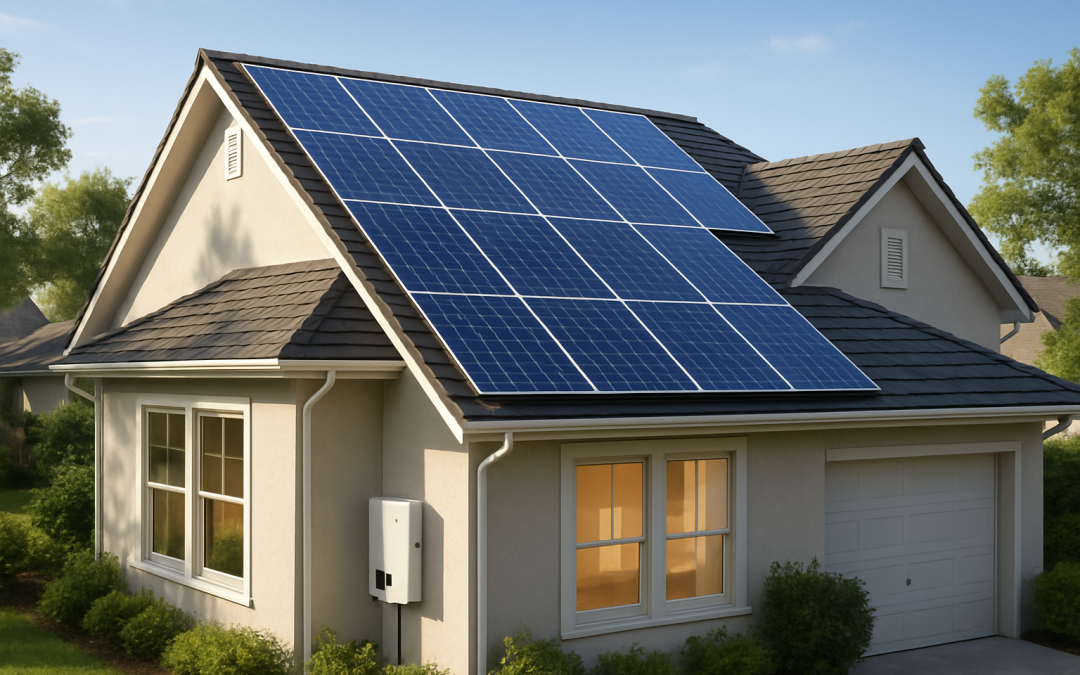
Solar power systems for homes use panels, inverters, and wiring to turn sunlight into usable electricity, lowering your power bills and often paying for themselves over time. A typical residential solar system costs about $28,000–$32,000 before incentives (around $19,600–$22,400 after the 30% federal tax credit) and can save the average homeowner $1,300–$1,500 per year on electricity. Most systems last 25–30+ years and pay back in 7–9 years, depending on your location, roof, and utility rates. Solar isn’t right for every home, though — shaded roofs, very low electric bills, or poor local incentives can make the numbers less attractive.
This guide explains how home solar power systems work, the main types, what they cost, and what equipment is included in a typical installation. It’s written for U.S. homeowners who want clear, no-jargon answers before talking to installers. By the end, you’ll know whether solar is worth exploring for your home and what to do next if you’re ready for quotes.
Table of Contents
- What Is a Home Solar Power System?
- How Do Solar Power Systems Work for Homeowners?
- Types of Solar Power Systems (Grid-Tied, Hybrid, Off-Grid)
- Main Components of a Residential Solar System
- Solar Power System Costs, Savings, and Payback
- What Affects Solar System Performance and Value?
- When a Solar Power System Makes Sense — and When It Doesn’t
- How to Choose an Installer and Compare Quotes
- Key Numbers and Data at a Glance
- Decision Guide: Is Now the Right Time for You?
- Frequently Asked Questions
- Summary: Key Takeaways for Homeowners
What Is a Home Solar Power System?
Simple definition
A home solar power system is a set of equipment that turns sunlight into electricity you can use in your house. It usually includes:
- Solar panels on your roof or ground
- An inverter that converts solar power into standard household electricity
- Mounting hardware, wiring, and safety equipment
- Optionally, a battery for backup power and nighttime use
Most U.S. homeowners install “grid-tied” systems, which stay connected to the utility grid so you can still use power at night or when your system isn’t producing enough.
What a solar power system actually does for you
- Reduces the amount of electricity you buy from the utility
- Can protect you from rising electric rates over 25–30+ years
- May provide backup power during outages if paired with batteries or special equipment
- Can increase your home’s value in many markets
Key facts homeowners should know
- Most systems are designed to offset 60–100% of your annual electricity use, not every single watt at every moment.
- You’ll typically need 15–25 panels for a typical U.S. home, depending on your energy use and panel wattage.
- Solar systems are low-maintenance but not zero-maintenance — occasional cleaning and inspections help keep performance high.
How Do Solar Power Systems Work for Homeowners?
Step-by-step: from sunlight to usable power
- Sunlight hits the panels. Solar cells in the panels create direct current (DC) electricity.
- The inverter converts DC to AC. Your home uses alternating current (AC), so the inverter changes DC into AC power.
- Your home uses solar power first. Appliances, lights, and devices draw from your solar system before pulling from the grid.
- Excess power goes to the grid or battery. If you produce more than you use:
- In a grid-tied system, extra power flows back to the utility grid (often earning credits through net metering where available).
- In a hybrid system, extra power can charge a battery first, then send any remaining to the grid.
- At night or on cloudy days, you use the grid or battery. When solar production is low, you automatically draw from the grid or your battery without doing anything manually.
What is net metering and why does it matter?
Net metering is a billing arrangement where your utility credits you for extra solar electricity you send to the grid. In many states, these credits offset the power you use at night or in winter.
- In “full retail” net metering states, each kilowatt-hour (kWh) you export is credited at roughly the same rate you pay for electricity.
- In “reduced credit” or “net billing” states, exported solar power is credited at a lower rate, which lengthens payback time.
- Some utilities have no net metering, which can significantly reduce the financial benefit of solar.
Because net metering rules vary by state and even by utility, it’s important to ask installers exactly how your local program works.
Limitations and caveats
- Most grid-tied solar systems shut off during a grid outage for safety, unless you have a battery or special backup inverter.
- Solar production changes by season and weather — you’ll see higher output in sunny months and lower in winter or during storms.
- Solar systems are sized based on your past energy use; big changes (like adding an EV or heat pump) may require system expansion later.
Types of Solar Power Systems (Grid-Tied, Hybrid, Off-Grid)
1. Grid-tied solar systems (most common)
What it is: A system connected to your utility grid with no battery.
- Uses the grid as your “backup battery” via net metering or similar programs.
- Lowest upfront cost and highest efficiency for most suburban homeowners.
- Shuts down during outages for safety unless paired with special equipment.
Best for: Homes with reliable grid power, good net metering, and no critical need for backup.
2. Hybrid solar systems (solar + battery + grid)
What it is: A grid-tied system with one or more batteries for backup and self-consumption.
- Stores extra solar energy for use at night or during outages.
- Can help you avoid high “time-of-use” rates by using stored power during peak hours.
- Costs more upfront but adds resilience and more control over your energy use.
For a deeper dive into battery options and sizing, see the guides on the best solar batteries of 2026 and how to choose the right battery size.
3. Off-grid solar systems
What it is: A standalone system with solar, batteries, and often a backup generator, with no connection to the utility grid.
- Designed to power your home 24/7 using only on-site generation and storage.
- Requires larger battery banks and often a generator for long cloudy periods.
- More complex and expensive; usually used in remote areas without grid access.
Best for: Rural properties where grid connection is extremely expensive or unavailable.
Which type is right for most homeowners?
- Urban/suburban homes: Grid-tied or hybrid systems are usually the best fit.
- Areas with frequent outages: Hybrid systems with batteries provide valuable backup.
- Remote cabins or off-grid properties: Full off-grid systems may be necessary.
Main Components of a Residential Solar System
1. Solar panels
Solar panels (also called modules) are the rectangular units you see on roofs. For homes, the two main types are:
- Monocrystalline panels: Higher efficiency, usually black in color, often preferred for limited roof space.
- Polycrystalline panels: Slightly lower efficiency, often blueish, sometimes cheaper.
If you’re comparing panel types, our guide on monocrystalline vs. polycrystalline solar panels explains the differences in more detail.
Typical specs for home panels (2026):
- Power rating: 370–450 watts per panel
- Efficiency: 19–22% for most modern monocrystalline panels
- Warranty: 25–30 years performance, 10–25 years product
2. Inverters
The inverter is the “brain” of your solar system. It converts DC power from the panels into AC power for your home and often provides monitoring data.
Main inverter options:
- String inverters: One central unit for many panels. Cost-effective, but performance can drop if one panel is shaded.
- Microinverters: Small inverters attached to each panel. Better for complex roofs and partial shading, often with higher upfront cost.
To compare these options, see the guide on microinverters vs. string inverters.
3. Mounting and racking
Racking is the hardware that attaches panels to your roof or ground mounts. A good racking system:
- Secures panels safely in high winds and storms
- Seals roof penetrations to prevent leaks
- Positions panels at the right tilt and spacing for airflow and performance
4. Wiring, disconnects, and safety equipment
Your system includes electrical wiring, conduit, breakers, and shutoff switches. These components:
- Connect panels to the inverter and your main electrical panel
- Allow firefighters and utility workers to safely shut down the system if needed
- Ensure the system meets local electrical and building codes
5. Batteries (optional but increasingly common)
Home batteries store extra solar energy for later use. Popular options include lithium-ion batteries like Tesla Powerwall, Enphase, and Franklin systems. Batteries:
- Provide backup power during outages
- Help you use more of your own solar energy instead of exporting it
- Can reduce bills in areas with time-of-use or demand-based rates
6. Monitoring system
Most modern systems include an app or web portal that shows:
- Real-time and historical solar production
- Energy consumption (for some setups)
- Alerts if the system isn’t performing as expected
Monitoring helps you catch issues early and verify that your system is delivering the expected savings.
Solar Power System Costs, Savings, and Payback
Typical system cost in 2026
For a typical residential solar power system in the U.S. (without batteries):
- Average system size: 7–10 kW (kilowatts)
- Average cost per watt: $2.50–$3.50
- Total cost before incentives: about $28,000–$32,000
- Federal tax credit (ITC): 30% of system cost through 2032
- Estimated cost after 30% ITC: roughly $19,600–$22,400
These are national averages. Your actual cost depends on system size, equipment choices, roof complexity, and local labor rates.
How much can you save?
- Average annual bill savings: $1,300–$1,500 for a typical homeowner
- Typical payback period: 7–9 years nationally
- System lifespan: 25–30 years performance warranty, 30–35 years typical life
Over the life of the system, many homeowners see tens of thousands of dollars in net savings, especially in high-electricity-cost states like California, New York, Massachusetts, and Hawaii.
What affects your solar system cost?
- System size: Larger systems cost more overall but less per watt.
- Equipment quality: Premium panels, microinverters, and batteries increase cost but may improve performance and reliability.
- Roof type and condition: Complex roofs, steep pitches, or necessary roof repairs add cost.
- Location: Labor and permitting costs vary widely by state and city.
- Incentives: State, local, and utility rebates can significantly reduce net cost.
What affects your savings and payback?
- Your current electric rate: Higher rates mean bigger savings per kWh you offset.
- Rate structure: Time-of-use or tiered rates can increase the value of solar and batteries.
- Solar resource: Sunny states (AZ, CA, NV, FL, TX) produce more energy per kW of solar.
- Net metering rules: Full retail net metering shortens payback; reduced export rates lengthen it.
- System orientation and shading: South-facing, unshaded roofs perform best.
Important caveats
- These numbers are averages — your results may be higher or lower.
- Financing (loans, leases, PPAs) changes the cash flow and payback math.
- For tax-related benefits like the federal ITC, always consult a qualified tax professional to confirm your eligibility.
What Affects Solar System Performance and Value?
1. Your roof
Your roof is one of the biggest factors in how well a solar power system will work for you.
- Direction: South-facing is ideal; east and west can still work well; north-facing is usually less productive.
- Shade: Trees, chimneys, and nearby buildings can significantly reduce output.
- Condition: Old or damaged roofs may need repair or replacement before installing solar.
- Space: You’ll typically need 250–450 square feet of usable roof area for a standard system.
2. Your energy usage
Solar is most valuable when you have enough usage to justify the system size.
- Homes with monthly electric bills over $100–$150 usually see better payback.
- Large homes, electric heating, pools, and EV charging all increase potential savings.
- If your usage is very low, a smaller system or no system may make more sense.
3. Local electricity rates and policies
- High rates: States like CA, HI, MA, CT, and NY often see faster payback.
- Low rates: Some Midwest and Southern states with cheap power may see longer payback.
- Net metering and incentives: Strong policies can dramatically improve the economics.
4. Equipment choices
- Panel efficiency: Higher-efficiency panels produce more power in the same space, useful for small roofs.
- Inverter type: Microinverters or optimizers can improve performance on shaded or complex roofs.
- Batteries: Add resilience and flexibility but increase upfront cost.
5. Maintenance and monitoring
Solar systems are low-maintenance, but performance can drop if panels are very dirty or if issues go unnoticed.
- Occasional cleaning can help in dusty or pollen-heavy areas.
- Monitoring alerts you to inverter faults or unexpected drops in production.
- Professional inspections every few years can catch small issues before they become big ones.
When a Solar Power System Makes Sense — and When It Doesn’t
When solar works in your favor
- You have a sunny, mostly unshaded roof facing south, east, or west.
- Your average electric bill is at least $100–$150 per month.
- You live in a state with decent net metering or other solar-friendly policies.
- You plan to stay in your home for at least 5–7 years.
- You have tax liability and can likely use the 30% federal tax credit (confirm with a tax professional).
When solar may not be the best choice
- Your roof is heavily shaded and tree removal isn’t an option.
- Your roof is in poor condition and you’re not ready to replace it.
- You expect to move within 2–3 years and your local market doesn’t strongly value solar yet.
- Your electric rates are very low and there are no meaningful incentives or net metering.
- You rent your home or live in a building where you can’t modify the roof.
Honest considerations
- Solar is a long-term investment, not a quick flip — the biggest benefits show up over decades.
- Financing with high-interest loans or long terms can reduce or delay net savings.
- Not all installers or equipment are equal; choosing quality matters for 25–30 years of performance.
If you’re unsure whether solar is financially right for you, the detailed breakdown in the site’s honest “Is solar worth it?” guide can help you run the numbers for your situation.
How to Choose an Installer and Compare Quotes
What to look for in an installer
- Licensing and insurance: Proper state licenses and general liability/worker’s comp coverage.
- Experience: Several years in business and a solid track record of residential installs.
- Reputation: Consistent reviews, clear communication, and responsive customer service.
- Warranties: Workmanship warranty (often 10+ years) in addition to equipment warranties.
Key questions to ask installers
- What system size are you recommending, and how did you calculate it?
- What brand and model of panels, inverters, and (if applicable) batteries are you using?
- What is the total cost, including permits, interconnection, and any upgrades?
- What production and savings do you estimate in year one and over 25 years?
- How do local net metering or export rules work with this system?
- Who handles maintenance, monitoring, and warranty claims if something goes wrong?
Why multiple quotes matter
- Pricing can vary by thousands of dollars for similar systems.
- Different installers may propose different equipment or system sizes.
- Seeing multiple proposals helps you spot outliers and avoid overpaying.
Before comparing quotes, it helps to understand the basic equipment in each proposal; the site’s solar panels and equipment guide can give you a solid baseline.
Key Numbers and Data at a Glance
System size and panels
- Typical system size: 7–10 kW for a standard U.S. home
- Average panels needed: 15–25 panels, depending on panel wattage and your usage
- Panel wattage: 370–450 W per panel (2026 typical range)
Costs and incentives
- Average cost per watt: $2.50–$3.50
- Average total cost (before incentives): $28,000–$32,000
- Federal Investment Tax Credit (ITC): 30% of system cost through 2032 (consult a tax professional to confirm eligibility)
- Estimated net cost after 30% ITC: $19,600–$22,400
Savings and payback
- Average annual savings: $1,300–$1,500 on electricity bills
- Typical payback period: 7–9 years nationally
- System lifespan: 25–30 years performance warranty; many systems operate 30–35 years or more
What changes these numbers?
- Your state and utility rates
- Net metering and local incentives
- Roof orientation, shading, and climate
- Equipment choices and installer pricing
- How your energy use changes over time (EVs, heat pumps, etc.)
Because these variables are personal to your home, getting site-specific quotes is the only way to know your actual costs and savings.
Decision Guide: Is Now the Right Time for You?
Questions to ask yourself before getting quotes
- Is my roof in good condition and likely to last at least 10–15 more years?
- Are my monthly electric bills high enough that solar could make a real dent?
- Do I plan to stay in this home for at least 5–7 years?
- Am I comfortable making a long-term investment for 7–9 year payback?
- Do I value backup power enough to consider adding a battery?
When it’s a good time to act
- You’ve confirmed your roof is suitable and your bills are moderate to high.
- Your state has stable or favorable net metering or export rules.
- You can likely use the 30% federal tax credit (verify with a tax professional).
- You’re ready to compare at least two or three quotes with clear, written proposals.
What to gather before talking to installers
- 12 months of electric bills (or at least a recent one showing kWh usage and cost)
- Basic information about your roof (age, material, any known issues)
- Your goals: maximum savings, backup power, environmental impact, or a mix
- Any plans that will change your usage (EV purchase, home addition, electrifying heating)
Why personalized quotes matter
Online calculators and national averages are helpful starting points, but they can’t see your roof, your shade, or your exact utility rates. A site visit or detailed remote design from a reputable installer is the only way to get accurate system sizing, pricing, and savings estimates for your specific home.
Frequently Asked Questions
How many solar panels do I need for my house?
Most U.S. homes need about 15–25 panels to offset a large portion of their electricity use, depending on panel wattage and your annual kWh consumption. A more precise number requires looking at your past 12 months of bills, your roof size, and how much of your usage you want to cover.
How much does a typical home solar power system cost?
In 2026, a typical residential solar system costs around $28,000–$32,000 before incentives, or roughly $19,600–$22,400 after applying the 30% federal tax credit if you’re eligible. Your actual cost depends on system size, equipment choices, roof complexity, and local labor rates.
Will solar panels work during a power outage?
Standard grid-tied solar systems shut off during a grid outage for safety, so they do not power your home unless you have a battery or special backup inverter. If backup power is important to you, consider a hybrid system with batteries designed to run critical loads during outages.
How long do solar panels last on a house?
Most modern solar panels come with 25–30 year performance warranties and can continue producing electricity for 30–35 years or more. Output slowly declines over time, but many panels still produce 80% or more of their original power after 25 years.
Is it better to buy or lease a solar power system?
Buying (with cash or a loan) usually delivers higher long-term savings and adds more value to your home, but it requires more upfront commitment. Leases and power purchase agreements can reduce or eliminate upfront cost, but you typically save less over time and may have more complexity when selling your home.
Do I need a battery with my solar panels?
You don’t need a battery for solar to work; most systems are grid-tied without storage. A battery makes sense if you want backup power, have time-of-use rates, or want to use more of your own solar energy instead of exporting it, but it does increase upfront cost.
Summary: Key Takeaways for Homeowners
- A home solar power system uses panels and an inverter (and optionally batteries) to turn sunlight into electricity, typically offsetting 60–100% of your annual usage.
- Expect average costs of $28,000–$32,000 before incentives and $19,600–$22,400 after the 30% federal tax credit, with 7–9 year payback and 25–30+ years of useful life.
- Your roof, local electric rates, net metering rules, and energy usage have the biggest impact on whether solar is a strong financial fit.
- Solar works best for sunny, mostly unshaded roofs and homes with moderate to high electric bills; it’s less ideal for heavily shaded roofs, very low usage, or weak local policies.
- The smartest next step is to gather your electric bills and get multiple detailed quotes so you can compare system sizes, equipment, pricing, and projected savings for your specific home.
If you’re ready to see real numbers for your roof, getting personalized quotes is the most reliable way to understand your true costs and savings. You can start that process in just a few minutes at /get-my-quote/, then use this guide to evaluate each proposal with confidence and choose the right solar power system for your home.