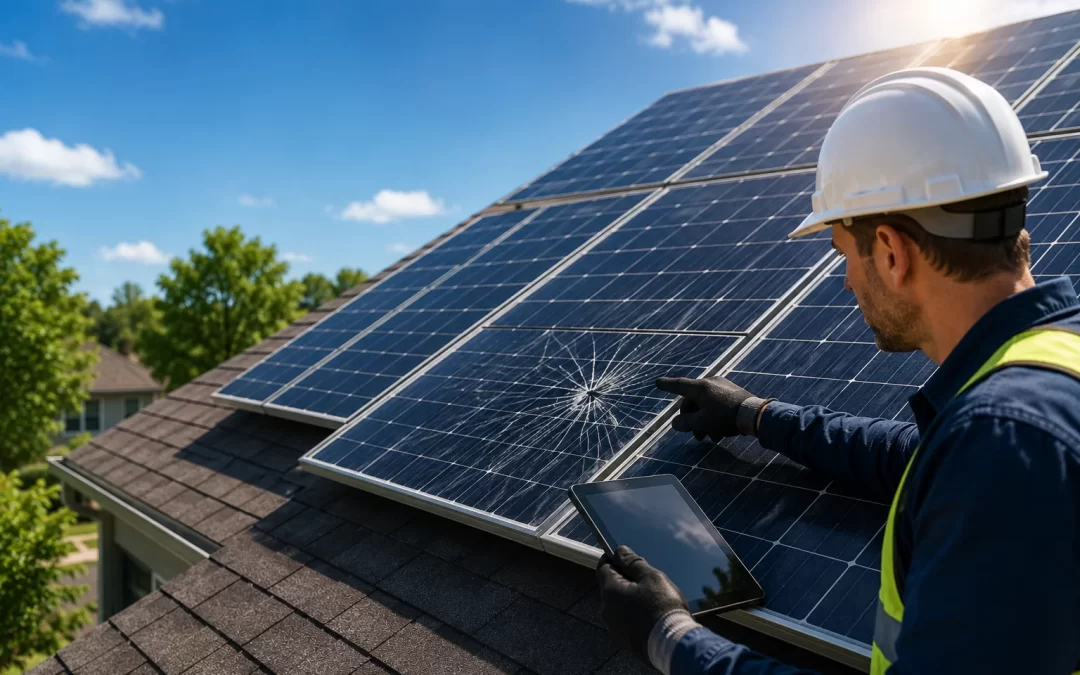
Solar Maintenance & Troubleshooting: Keep Your System Running at Its Best
Solar panels are low-maintenance by design — but not zero-maintenance. This guide covers everything you need to do to protect your investment, maximize your output, and know when something actually needs attention versus when it can wait.
The short answer
Direct answer
Solar panels need very little maintenance. The main tasks are cleaning panels 1–2 times per year, monitoring your system output monthly, and scheduling a professional inspection every 3–5 years. Most problems are caught early through your monitoring app before they affect your bill.
The good news: solar systems are built to withstand 25+ years of weather with minimal intervention. There are no moving parts, no fuel to add, and most inverters self-diagnose and alert you when something is wrong. Your biggest maintenance job is staying aware — the checklist and schedule below make that easy.
Maintenance schedule
Here’s exactly what to do and when. Most of this takes under 30 minutes a year.
Check monitoring app for alerts or production drops
Compare output to same month last year
Verify utility bill reflects solar credits
Clean panels (spring is ideal)
Visually inspect panels and mounting hardware
Check inverter indicator lights
Clear debris around panels and gutters
Review annual production vs. installer estimate
Professional inspection and cleaning
Check wiring and connections
Inspect roof mounts and flashing
Test battery health (if applicable)
Annual system health checklist
Annual solar system health check
Run through this once a year — ideally each spring after pollen season.
Monitoring & output
Physical inspection
Inverter & electrical
Common problems & fixes
Production lower than expected Common
Likely cause: dirty panels, new shading from tree growth, or a single underperforming panel.
Fix: Check your monitoring app for panel-level data. Clean panels if dusty. Trim any new growth. If one panel is consistently low, contact your installer.
Inverter showing red light or error code Needs attention
Likely cause: grid outage (normal), overheating, or a fault condition requiring a reset or service visit.
Fix: Check if there’s a local power outage first — inverters shut down automatically during outages for safety. If the grid is fine, look up your inverter’s error code in the manufacturer app. Most codes resolve with a reset.
System not producing at all Needs attention
Likely cause: inverter fault, tripped breaker, or a wiring issue.
Fix: Check your main electrical panel for a tripped breaker labeled “solar” or “PV.” Reset it. If the system still won’t produce, call your installer — this warrants a service visit.
Higher electricity bills despite solar Common
Likely cause: increased home energy use, utility rate changes, or reduced system output from dirty panels or shading.
Fix: Log into your monitoring app and compare current production to previous years. If production is normal, your energy use has likely increased. If production has dropped, clean panels and check for new shading.
Cracked or discolored panel Needs attention
Likely cause: impact damage (hail, falling branch) or a manufacturing defect.
Fix: Document with photos and contact your installer. Physical damage may be covered by your homeowner’s insurance. Manufacturing defects are covered by the panel product warranty.
Understanding your warranties
Knowing what each warranty covers — and who to call — saves time and money when something goes wrong.
Panels
Product warranty
Typically 12–25 years
Covers manufacturing defects, delamination, and premature failure. Call the panel manufacturer directly.
Panels
Performance warranty
Typically 25 years
Guarantees output won’t fall below 80–90% of original rating. Tracked through your monitoring system.
Inverter
Inverter warranty
Typically 10–25 years
Covers inverter failure or defects. Contact the inverter manufacturer (Enphase, SolarEdge, etc.) directly.
Installation
Workmanship warranty
Typically 10 years
Covers installation defects including roof leaks caused by the installation. Call your installer for these issues.
Common questions
How often should I clean my solar panels?
Once or twice a year is enough for most climates. Spring cleaning after pollen season is the most important. In dusty or dry climates (Arizona, Southern California), 3–4 times a year may improve output. Rain handles most of the cleaning the rest of the time.
Can I clean solar panels myself?
Yes — use a soft brush or squeegee and plain water. Avoid harsh detergents or abrasive scrubbers which can scratch the glass. Clean in the morning or evening when panels are cool to avoid thermal shock. If your roof is steep or high, hire a professional cleaner.
How do I monitor my solar system’s performance?
Your inverter comes with a monitoring app — Enphase has MyEnlighten, SolarEdge has its own app, Tesla has the Tesla app. Log in monthly and check that production is tracking normally. A sudden 20%+ drop on a sunny day warrants investigation.
What happens to solar panels in a hailstorm?
Modern panels are tested to withstand hail up to 1 inch in diameter at 60 mph. Larger or faster hail can crack panels, but this is rare. If you suspect hail damage, inspect visually and check for production drops in your monitoring app. Physical damage is typically covered by homeowner’s insurance.
When do solar panels need to be replaced?
Most panels last 30–35 years before output degrades enough to warrant replacement. Your performance warranty guarantees at least 80% of original output for 25 years. Inverters typically need replacement after 10–15 years and are the most common component to service.
Ready to find out if solar makes sense for your home?
Answer a few quick questions about your home and energy use. We'll connect you with certified local installers who can give you an honest, no-obligation quote.
See what solar costs for my home ›
Takes 2 minutes · Free · No spam
Should You Consider Professional Solar Maintenance Services?
Solar Panels Not Producing Enough Power? A Step-by-Step Troubleshooting Checklist & Fix Guide
5 Signs Your Solar Panels Need Immediate Attention: Warning Symptoms, Causes & What Homeowners Should Do
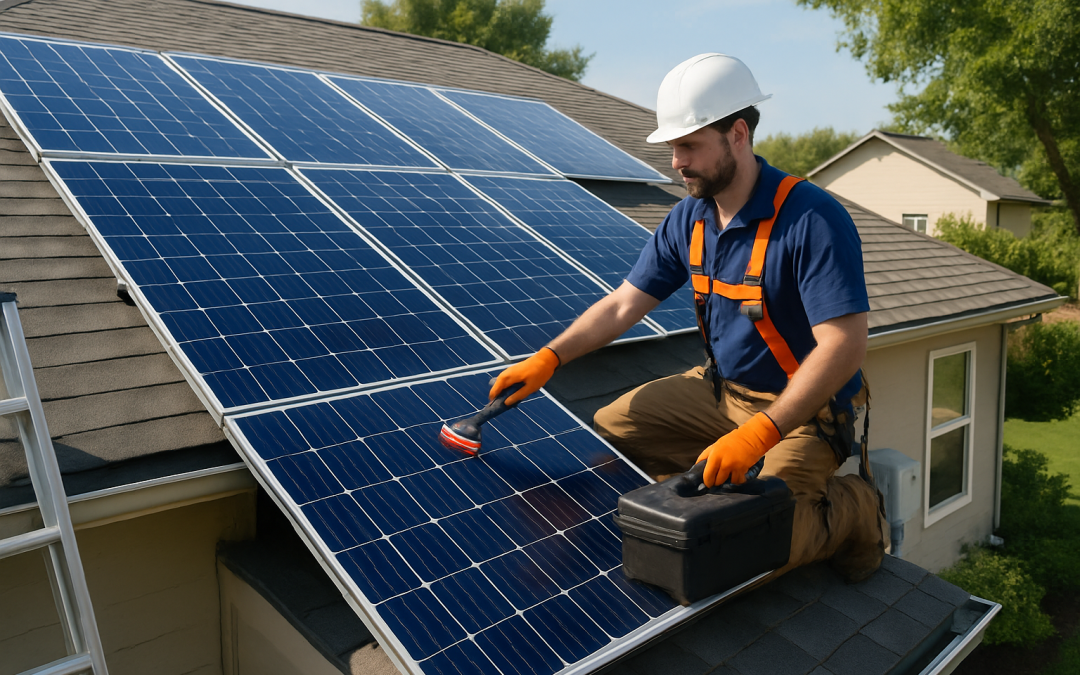
Is Regular Solar Panel Maintenance Worth the Investment?
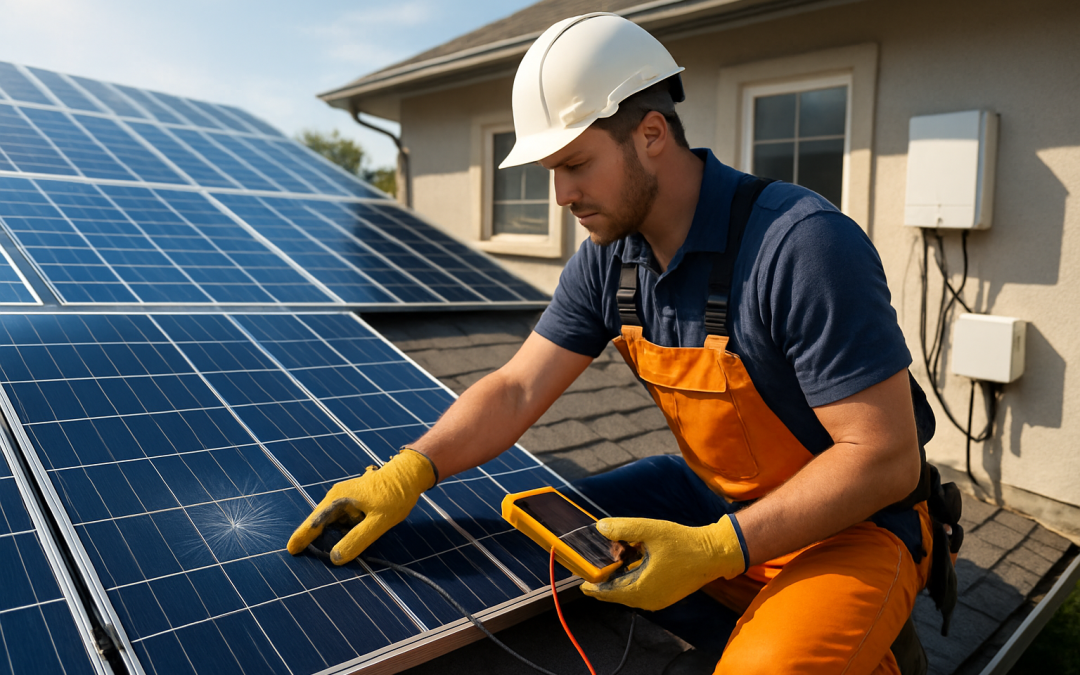
Solar Panel Repair Near Me: Common Problems, Repair Costs, and How to Choose the Right Solar Repair Service
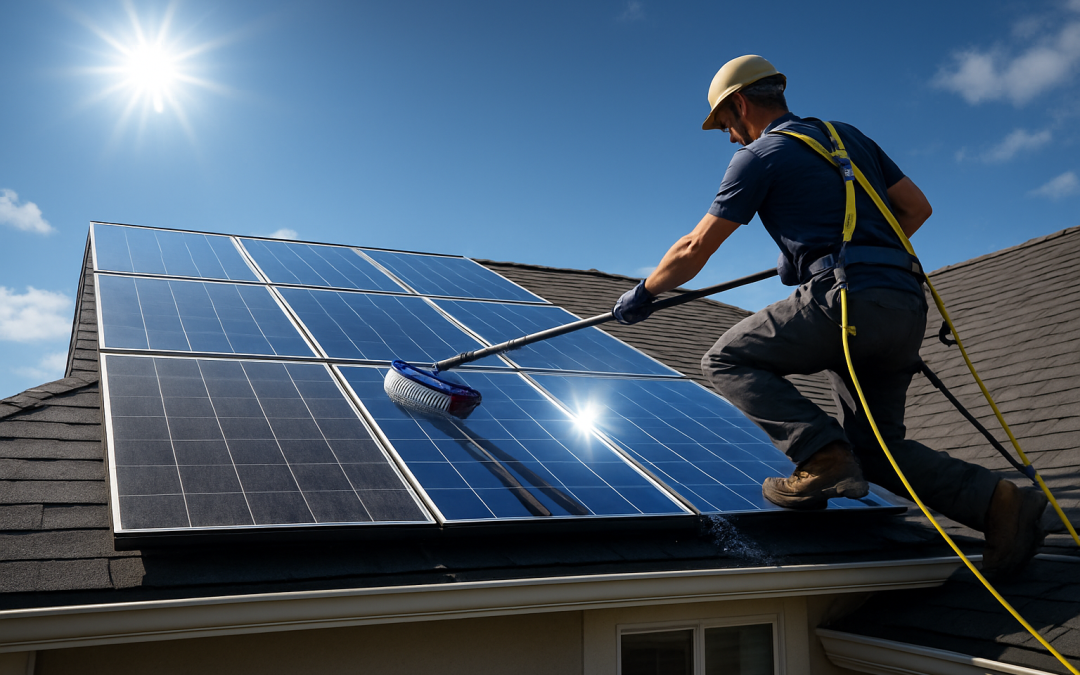
Solar Panel Cleaning Service Explained: Cost, Benefits, Scheduling, and How Professional Cleaning Improves Efficiency
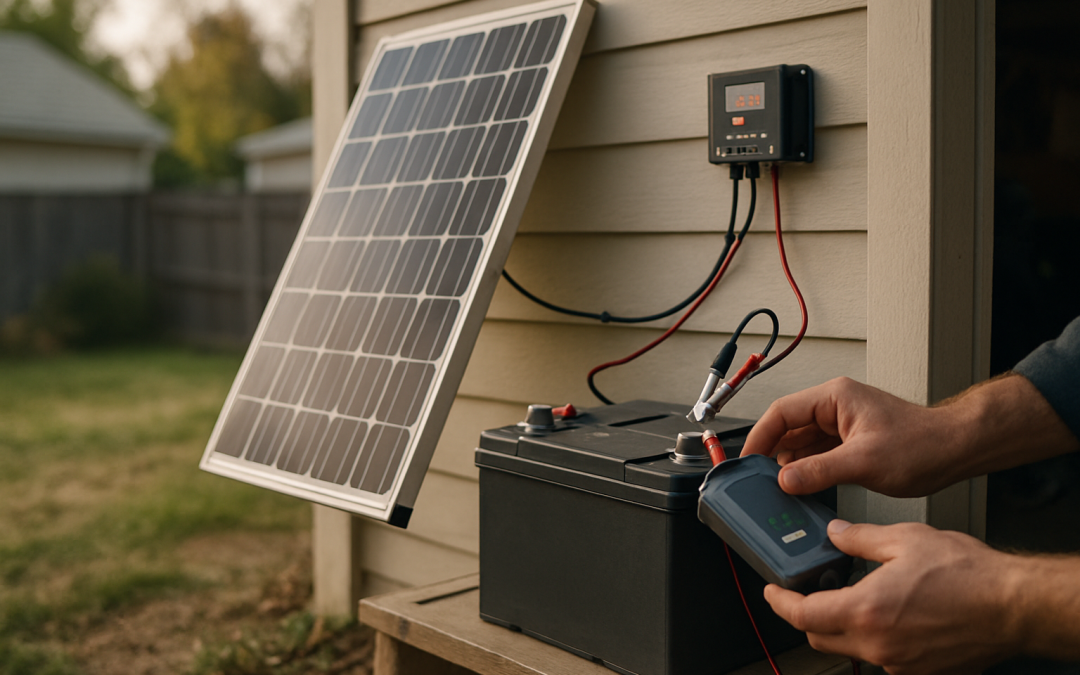
What Is a Solar Battery Maintainer and Do You Really Need One? A Complete Guide for Battery Longevity
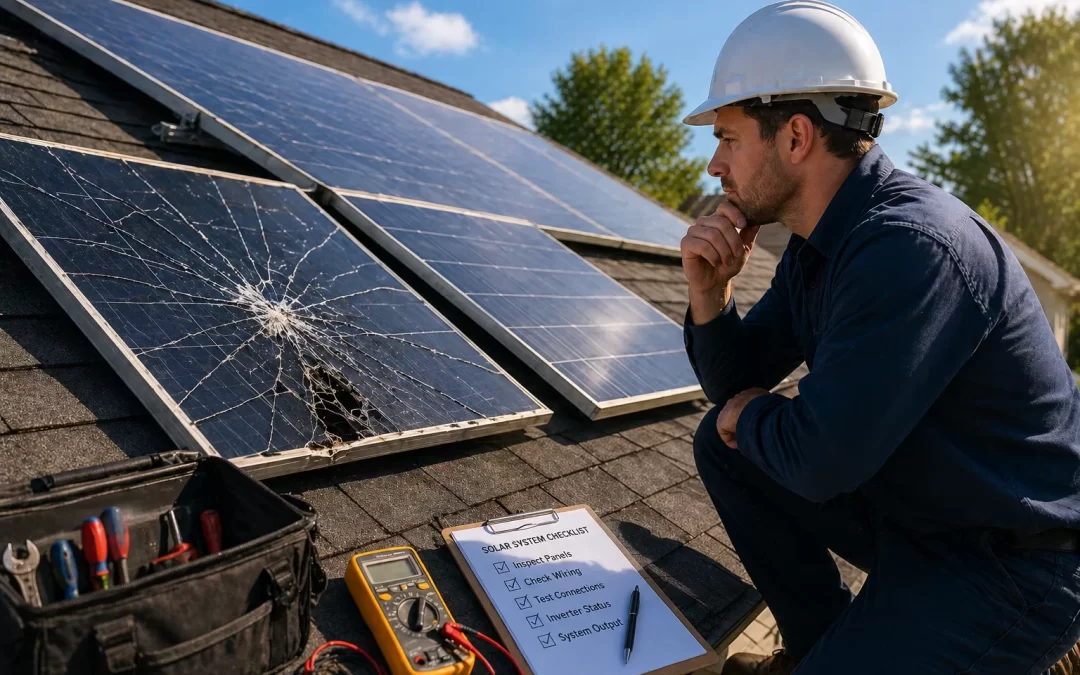
What to Do If a Solar Panel Breaks or Stops Working
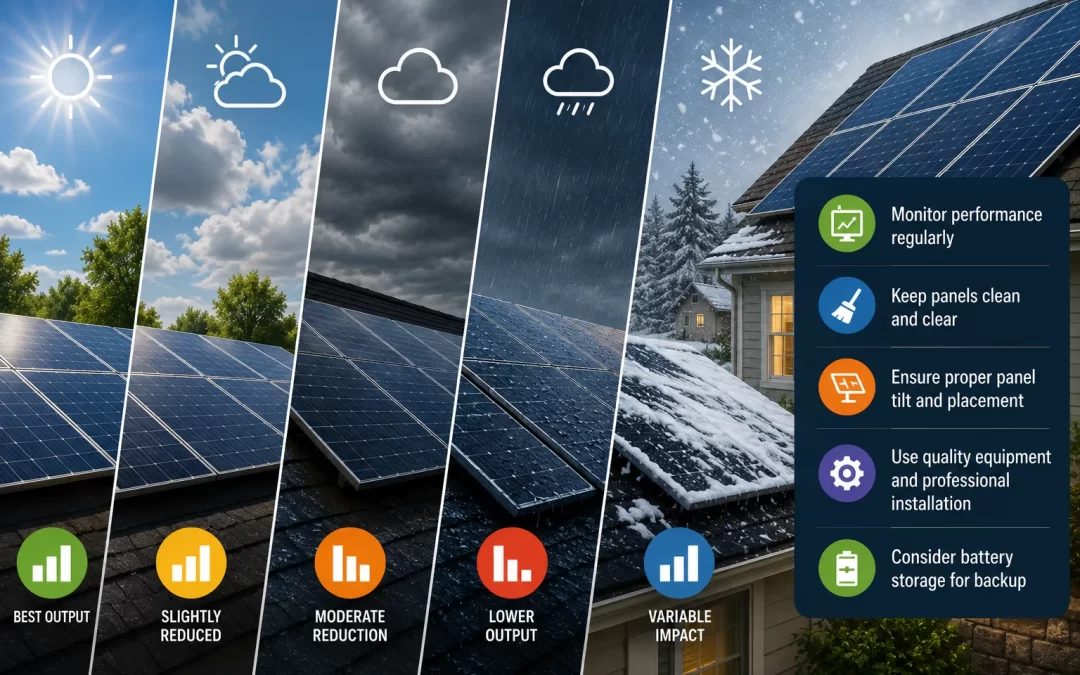
How Weather Affects Solar Panel Output (And What To Do About It)